Category Psychology

Can you teach self-belief?

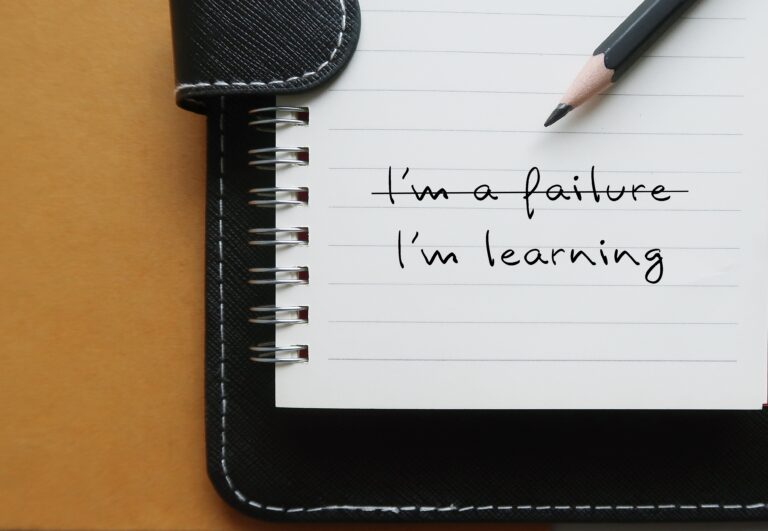
Notebook with text  I'M A FAILURE crossed off to  LEARNING, replace negative self-talk with positive thoughts, learn to build self-acceptance and embrace failure as part of growth and learning

Confidence is not fixed: it rises and falls with meetings, roles and the way feedback lands. Penny Haslam shares research with Northumbria University showing measurable gains from confidence training, plus three memorable tools to challenge self-talk. Lasting change needs commitment,…

Read MoreCan you teach self-belief?

Trust is biased, and your team is proving it

Broken Trust Illustrated with Cracked Concrete

Trust breakdowns rarely start with incompetence. Maryam Rezaei argues they begin with bias, familiarity and the meanings we attach to tone, silence and directness. She explores psychological safety, real listening and what repairs trust: new experiences, not explanations. For L&D…

Read MoreTrust is biased, and your team is proving it

Conference overload? Why L&D events need creative reflection

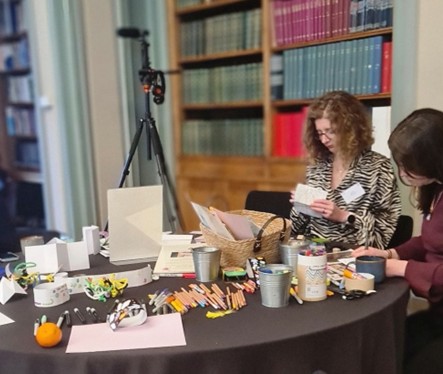
TJ 60 conference creative session (C) AMC Newton

Conference days can feel like a firehose: keynotes, chats, slides, then a tired journey home and a notebook nobody opens. AMC Newton and Amelia Wakeford show how intentional reflection breaks overload, helping brains consolidate learning. Their Creative Download approach uses…

Read MoreConference overload? Why L&D events need creative reflection

Your learning strategy makes too much sense 

Two sticky notes with handwritten Expectation and Reality. Business results, comparison, performance evaluation, and strategic planning concept.

The New Coke fiasco in the ‘80s shows why L&D keeps repeating the same mistakes. When we design learning for the ‘logical human’, engagement, behaviour change and budgets suffer. Design instead for real people, who are time-poor, emotional and context-driven,…

Read MoreYour learning strategy makes too much sense 

Psychological safety is your secret weapon when training gets awkward

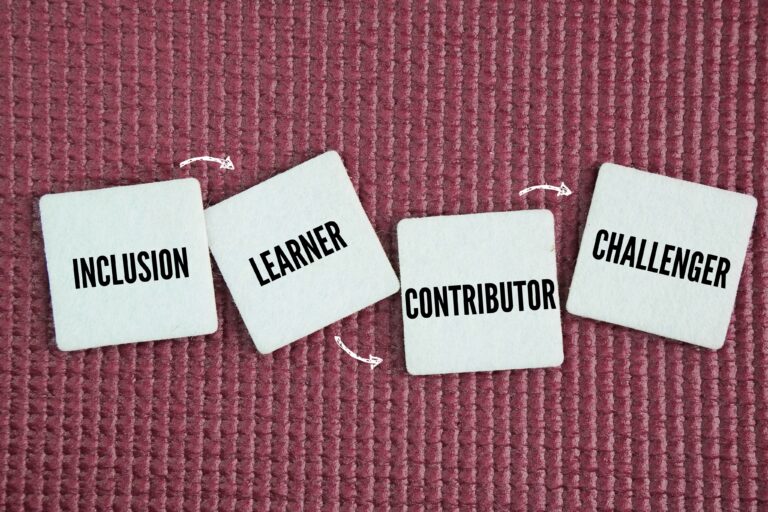
The Four Stages of Psychological Safety - Psych Safety are Inclusion, Learner, Contributor, Challenger

Disengaged training rooms are often a symptom of low psychological safety, rather than poor facilitation. Donald Thompson outlines practical ways to build trust before and during sessions. He explores strategies such as clear expectations, thoughtful responses and calm, civil discussion,…

Read MorePsychological safety is your secret weapon when training gets awkward

DEI in 2026: From ambition to action and compliance to competitive advantage

Bright screen showing "Trends 2026" on a desk. Represents upcoming forecast, business strategy, and corporate planning for future growth and innovation

DEI in the UK is shifting from policy to practice. Sandi Wassmer argues that in 2026 inclusion will be built into organisational infrastructure. Leaders will be held accountable and employee experience prioritised over optics. Psychological safety and robust data will…

Read MoreDEI in 2026: From ambition to action and compliance to competitive advantage

The evolutionary blind spot undermining leadership programmes

Paper human head with gears on green background with space for text. Concept of brainwork

Martin Johnson explores why leadership development fails when it ignores the biology driving behaviour. He examines survival, pleasure and purpose, revealing how stress, disengagement and underperformance persist. The article offers L&D professionals practical diagnostic frameworks to identify psychological states and…

Read MoreThe evolutionary blind spot undermining leadership programmes

The power of psychological safety in uncertain times

Psychological safety concept with succulent

Psychological safety helps people speak up, share ideas, and learn from mistakes, essential in fast-moving workplaces. It’s not about removing fear but creating trust and openness. Steve Macaulay and David Buchanan explore what psychological safety looks like, why it matters,…

Read MoreThe power of psychological safety in uncertain times

Psychological safety for neurodiversity: One size does not fit all 

Businessman protecting team under red umbrella.  Hands hold umbrella over small wooden figures of people on a desk

Psychological safety is the secret sauce of brilliant teams, but how does it actually play out, especially when neurodivergent minds are in the mix? We explore what it means to feel safe, seen and supported at work, and why listening…

Read MorePsychological safety for neurodiversity: One size does not fit all