
Kirsty Lewis shares what makes SOFest different, from focused speaker sessions and practical workshops to silent discos, sound baths, business development and creative reflection. With everything framed as an invitation, delegates choose their own route through learning, connection, rest and experimentation. All at this year’s must-attend festival for learning professionals.
Learning events can sometimes feel over-designed. Delegates are moved from room to room, sessions are fixed, choices are limited and the day can become something to endure rather than explore.
“People get to choose which workshops they go to and create their own journey”
Kirsty Lewis
SOFest, the learning festival created by Kirsty Lewis, takes a different approach. It offers structure, expertise and a packed programme, but with a strong sense of personal choice. The event is built around speakers, workshops and activity zones, giving people the chance to shape their own experience across business, facilitation and personal development.
As Kirsty explains in our video, the speaker sessions are deliberately short and focused. “This isn’t sage on the stage talking for one hour eulogising,” she says. “It’s twenty minutes.”
Those sessions cover three broad themes:
- Running your own business
- Facilitation
- Yourself
This year’s speakers include Chris Taylor and Melanie Martinelli, who will explore the impact of learning and how to measure return on investment. Kirsty Cates is also joining from Dublin to talk about playfulness as “your secret ingredient to build trust and engagement in a workshop.”
Zones of success
The workshop programme is split across four zones, each with a different focus:
- Client Corner looks at clients and how to find them
- The Playground explores facilitation and training skills, tools and techniques
- Heart Centre focuses more on the individual, including some of the more reflective or unusual experiences
- Business Lab gives people space to look closely at their business
The range is broad, and intentionally so. Alice Richards will explore sustainability handprints, while Laura Thomas Thompson will look at “high-tech, high touch” and how to bring more human skills into workshops as AI becomes part of the learning landscape.
Will Taylor, a coach and therapist, is running a session called Couples therapy for you and your business, which Kirsty describes as having “some real honesty there.” Murray Cowell is also returning by popular demand with The elegant art of business development.
Working the workshops
There are 16 unique workshops, each running only once. That does create a particular kind of festival problem: wanting to be in two or three places at once. Kirsty laughs about last year’s inevitable FOMO (fear of missing out), adding that one participant reframed it as “JOMO, the joy of missing out.”
What matters is that delegates choose. “People get to choose which workshops they go to and create their own journey,” says Kirsty. “They don’t have to sign up. They just use their feet.”
That freedom extends beyond the workshops. The activity zone is organised around four themes: move, create, rest and connect. Early risers can start the day with a silent disco or yoga, while others can take the equally valid option of staying in bed. Kirsty comments that there are all the options for people, and also revealed that this year there will be “some good coffee on-site” with a barista.
Later in the day, the create activities include Don’t Forget the Paper, a session on drawing and using visuals in workshops, as well as a pocket vision book activity to help people set intentions for SOFest through art. The rest corner offers sound baths, yin yoga, yoga nidra, journaling and meditation. Connect activities include book club, games and work with Ebony Allard on values, self-understanding and personal direction.
Experiment and learn
Some of this may sound outside the usual L&D conference format, and that is part of the point. Kirsty acknowledges that some sessions last year felt “a little bit on the woo woo end of things” for some people, while for others they were exactly what they wanted. The important thing was the willingness to experiment.
Not every experience has to land in the same way for every person. People can try something, decide it is not for them, and still take something useful from it. Alongside the reflective and creative options, the programme still has plenty of practical content on facilitation, business development, clients and learning impact.
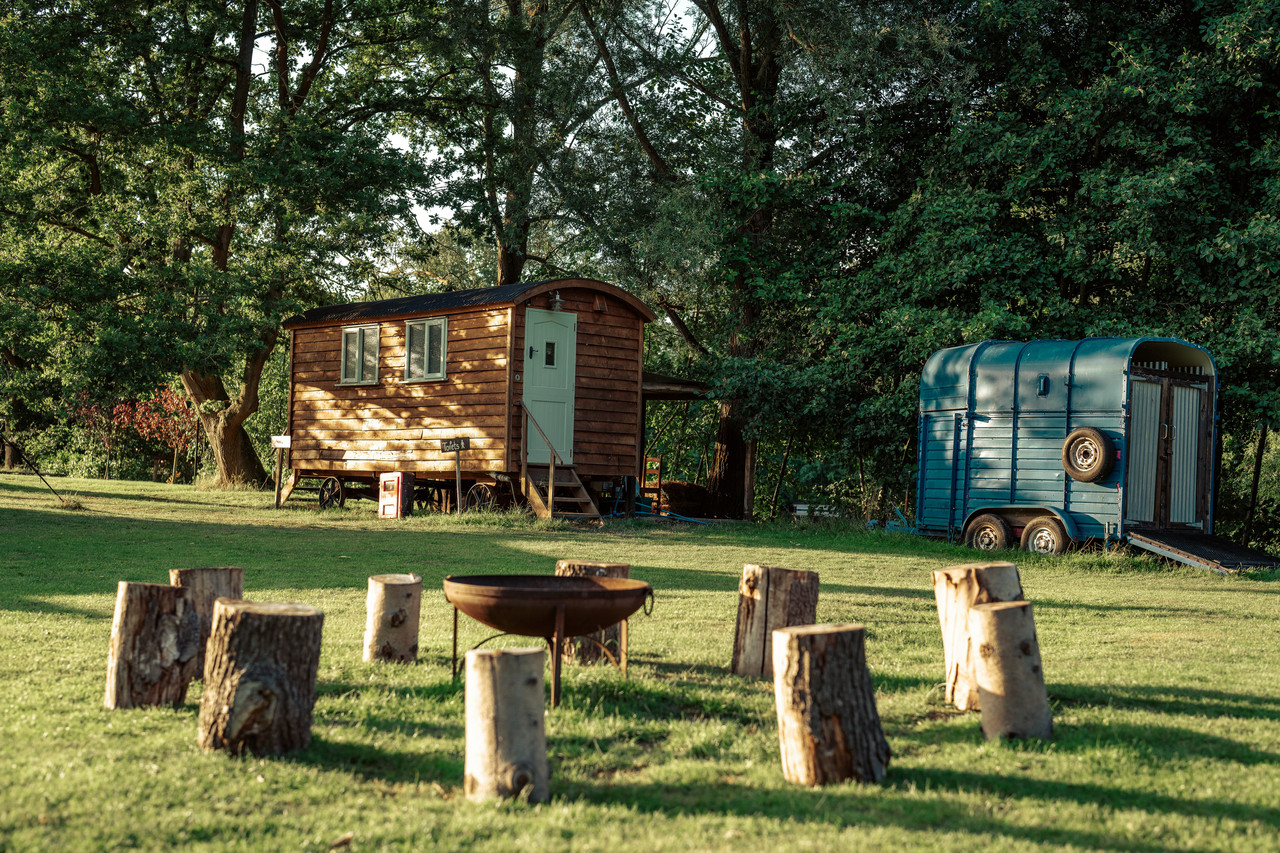
Perhaps the most important principle behind SOFest is choice. “Everything’s an invitation,” says Kirsty. “You don’t have to go. If you are wanting to lie out in a field or sit by the lake and just daydream or go journal or go for sleep, you can. That is your prerogative.”
That feels like the real spirit of the event. It is not about compulsory participation or filling every minute. It is about creating the conditions for people to learn, think, connect, rest, play and choose what they need.
As Kirsty puts it, “No one is sitting, marking you in and marking you out and going, you have to do this.” For L&D professionals, facilitators, trainers and learning business owners, SOFest offers something refreshingly different: a programme with substance, but without the rigidity. You might come away with new facilitation techniques, sharper thinking about clients, a better relationship with your business, a pocket vision book, a new connection or simply the memory of lying in a field in the sun.
And frankly, that sounds like a pretty good learning outcome.
Video transcript
Transcript from TechSmith Audiate:
Melanie Martinelli: Think one thing that’s really unique about…SoFest is…it’s not your standard session. There’s a really rich variety…of very unique topics that are so relevant.
Kirsty Lewis: We have speakers, workshops, and then activity…zone. So the speakers, I just want people to know this isn’t Sage on the stage talking for one hour eulogizing. It’s twenty minutes, and the speakers, uh, talk on one of three subjects, either the topic of running your own business, facilitation, or yourself.
Jo Cook: So, Kirsty, I remember from last year that there were four zones. Uh, tell us a little bit about that.
Kirsty: Client corner…or about clients, how to find them, red one. There’s the playground…
uh, skills, tools, techniques to use in facilitation and training. Uh, heart center, so all about you, and a bit more of some maybe some unusual esoteric stuff that you look at and they go, oh, wonder what that’s about. And the final, uh, workshop… zone is the business lab.
Colin Tomlinson: We’ve just done a session on how to put emotions into our training design rather than as seeing them as a byproduct. Uh, and that for me, that was a bit of a light bulb moment.
Kirsty: There are sixteen…different unique workshops that will only happen once, and people get to choose which workshops they go to, um, and, like, create their own journey. And that way, you might go, do what? I just want to focus…on my business or my business and clients. So I wanna just go and play and go into the playground for every single workshop. So everybody gets to choose what they want to do. They don’t have to sign up. They just use their feet.
Jo: And I remember from last year, there was so often, it was like, I wanna be in two out or even the whole three of these, which, you know, is a kind of a problem, but it’s a good problem to have because it shows that you’re offering some really interesting stuff.
Kirsty: Everything’s an invitation. So you don’t have to go. If you are wanting to… lie out in a field or sit by the lake and just daydream or go journal or go for sleep, you can. Like, that is your perogative.
