
Communication

The hidden cost of hybrid work: Rebuilding informal learning for early-career employees


Early-career employees need more than formal training to build judgement, confidence and practical their skills. Hybrid work and AI have made every-day learning less visible and more important. Don Spear explains how organisations can recreate observation, coaching, practice and feedback to help people move more quickly from potential to performance. Companies face a talent-development challenge that many leaders overlook. Early-career employees still need the learning that happens around the work, not just the training that organisations assign to them. For…

From empathy to action: How L&D can build compassionate workplaces
Nicky McCrudden explores why compassion at work so often stops at good intentions and how L&D can help turn concern into action. Her research identifies skills gaps, workplace beliefs and social pressures as key barriers, pointing to practical, scenario-based ways to build confidence, strengthen connection and create more compassionate workplaces. Compassion deficits in the workplace, where colleagues’ suffering goes unnoticed or unaddressed and anti-compassionate behaviours, are driving costly outcomes that organisations know all too well. Productivity losses from poor mental health…
TJ podcast: L&D needs to stop talking about learning, with Cathy Hoy – episode 332
What does it take for L&D leaders to now think more commercially, connect learning to business outcomes and move way beyond delivery? Cathy Hoy talks strategic thinking, the limits of ROI, the importance of understanding the business, and how L&D can build greater influence, confidence and impact across the organisation. Key takeaways: Podcast summary: Should L&D leaders stop talking about learning? That’s one of the provocations in the latest TJ podcast, where Jo Cook speaks with Cathy Hoy about what it…

Why active doubt is a vital skill for effectiveness in a rapidly evolving world
Doubt is not leadership’s enemy but a practical response to uncertainty. Jenny Williams argues that leaders build trust by naming what they do not know, holding opinions lightly and inviting challenge. In complex environments, active doubt keeps thinking flexible, supports learning and helps organisations adapt, decide and move forward together. Leadership can feel like a relentless roller-coaster ride: rapid turns, unexpected drops and little visibility of what lies ahead. The only certainty is uncertainty. And that uncertainty requires a reboot…

Can AI really resolve workplace conflict?
As AI becomes a coach, scriptwriter and even would-be mediator at work, Phil Floyd explores what this means for people’ trust, authenticity and conflict. He argues that while technology can support difficult conversations, healthy workplace relationships still depend on human skills such as listening, empathy, curiosity and honest face-to-face dialogue. Wouldn’t it be better if work colleagues always said the right thing to each other? When we want to criticise a colleague for their performance, for example, some well-chosen words…

How informal learning historically happened naturally at work
Hybrid work has made informal learning less visible, not less vital. Elyas Coutts explores how proximity once helped new starters absorb tacit knowledge, culture and judgement through everyday interactions. Now, purposeful messaging can crowd out spontaneous moments, leaving junior and mid-level employees with fewer chances to learn and build trust. Historically, most of what employees learnt didn’t just come from the onboarding process or training programmes; it also came from the proximity of being in the office surrounded by senior…

Empathy in action: Why coaching conversations turn understanding into impact
Empathy can get dismissed, but paired with coaching it becomes a performance lever. Drawing on podcast insights, Amy Brann and Dr Jessie Gulsin explore how empathy reduces threat, deep listening builds psychological safety, and clear boundaries strengthen accountability. Practical tips help leaders turn supportive conversations into sustained change at work. Empathy has had something of a reputation problem in leadership. Often dismissed as “soft”, or confused with lowering standards, it is still questioned in performance-driven cultures. Yet when empathy is…
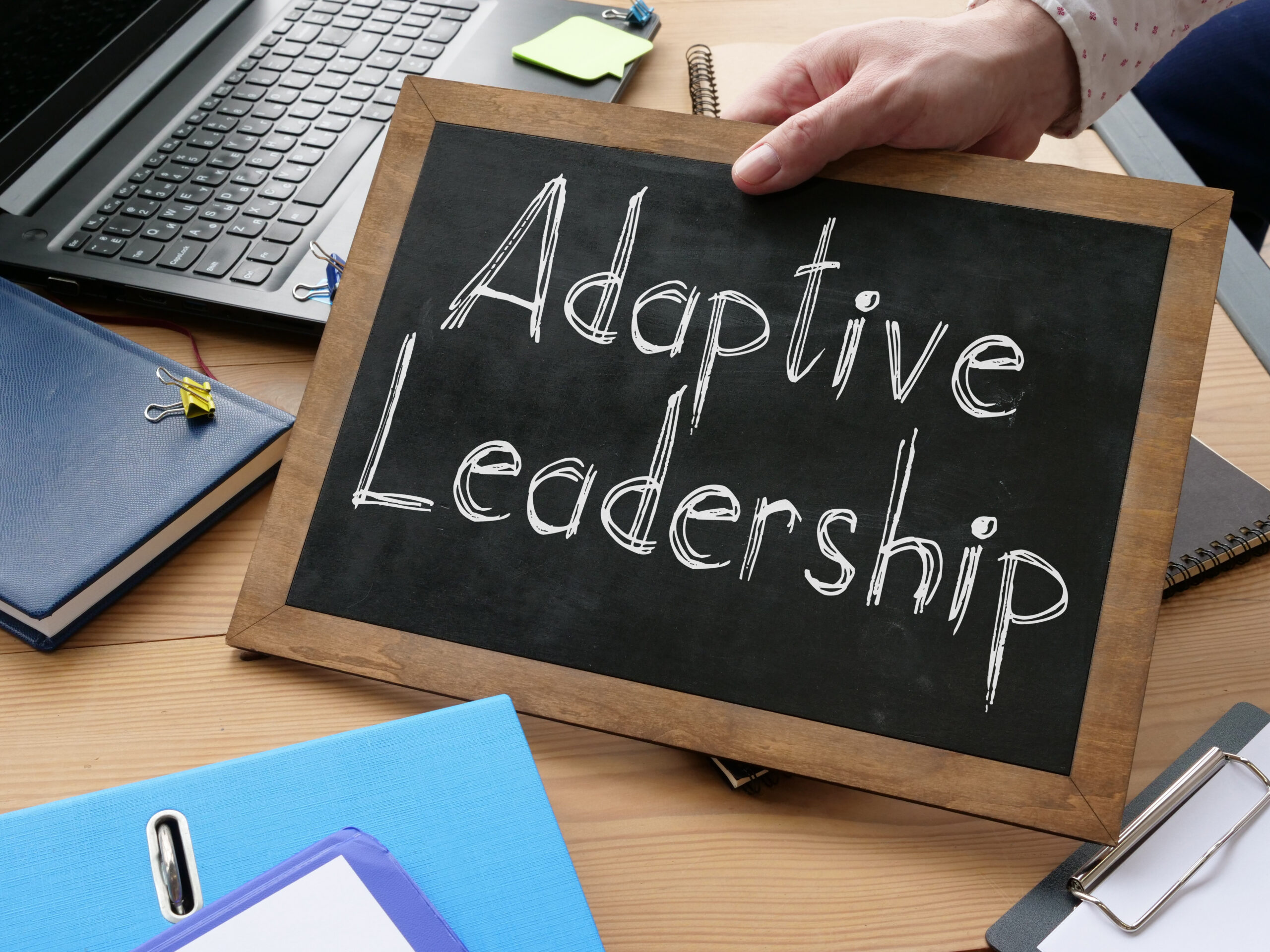
The Adaptive Leader – book review
Agility, for most L&D teams, is less about sprints and more about decisions close to work, safe experimentation and leading through uncertainty. Matt Smith reviews Giles Lindsay’s book The Adaptive Leader, exploring adaptive traits and cross-cultural ambition, alongside a key tension between “being agile” and the book’s recurring Agile terminology. Book: The Adaptive LeaderAuthor: Giles Lindsay There is a version of agility that most L&D professionals recognise, even if they have never attended a sprint planning session or facilitated a…

When AI does the first draft, who learns what good looks like?
AI is erasing the practice layer of everyday work, and L&D must rebuild it. Dmitry Zaytsev says draft writing, rough analysis and early recommendations were safe spaces for learning judgement. As machines take those tasks, organisations need structured practice, decision reviews and feedback in the flow of work again, deliberately. Artificial intelligence is changing the way people work, but it is also changing the way people learn at work. For learning and development teams, the next challenge may not be…

New leader, old story: How teams decide before you speak
Reputation walks into work before you do, and teams cling to old stories. Chris Dodd explores how labels form, why cynics shape perceptions, and how leaders earn credibility socially through visibility, listening and consistency. Behaviour, not title, rebuilds trust, lifts morale and stops you battling an outdated version of yourself. One thing I learned very early in the Royal Navy, is that your reputation normally arrives before you do. Long before a new Captain, senior leader, manager, or supervisor even…
Want smart, useful L&D insight in your inbox (without the fluff)?
Subscribe to our weekly newsletter for Editor-only commentary, and exclusive insight that isn’t published anywhere else online.
If you want a quick roundup of what matters, fresh ideas you can use, and the best new reads from Training Journal, this is where it lands
It’s free, only takes a minute, and you can unsubscribe any time.
