
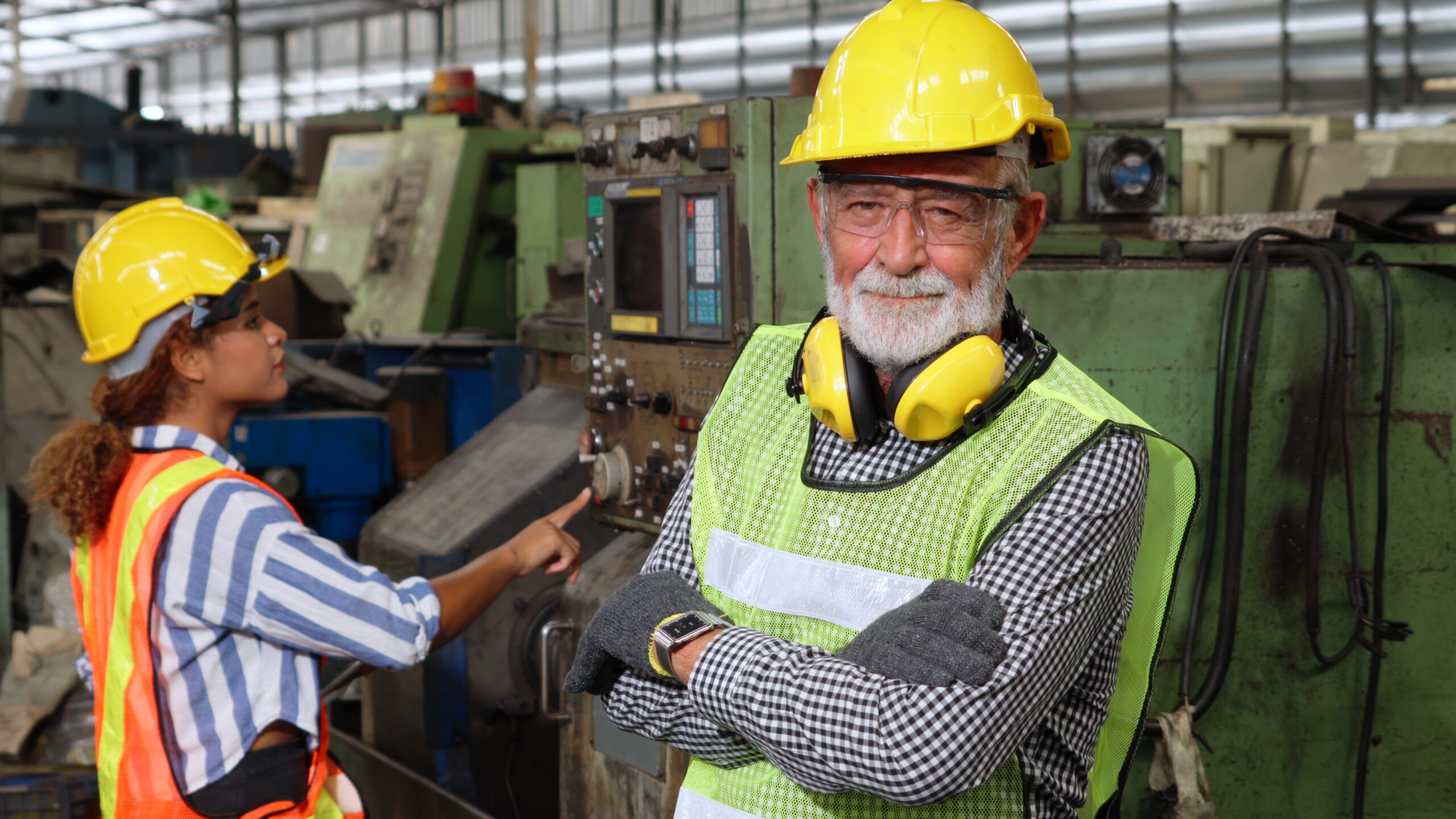
UK manufacturers face mounting challenges. In particular, the double whammy of retiring experienced workers and a new tech-driven workforce is highlighting a disconnect in the digital manufacturing landscape. To build for the future, manufacturers need to focus on connected work by engaging workers, not just machinery, Antoine Bisson explains all
With 55,000 unfilled jobs costing the economy £6 billion every year, and a new cultural shift of retirees taking with them their tribal knowledge, we have to add the changing requirements of younger tech-smart workers and smarter manufacturing technologies.
The era of ‘connected work’ has never been so important
The need for digital transformation to kick-start the era of ‘connected work’ has never been so important for the manufacturing industry. Fostering a positive workforce culture is now as critical as technology to drive factory success.
The implications of the manufacturing brain drain
Loss of institutional knowledge is a critical hit for manufacturers, and it’s in the retirement stage vital insights are lost. One of our customers identified workers nearing retirement were passing down best practices informally, sometimes at what they called “family reunions.”
It’s not just productivity that’s hindered by this loss of knowledge; there are also financial implications, especially when one hour of unproductive labour per week due to skill gaps can cost as much as £4,300 per employee annually.
A new workforce brings new expectations
The workforce of today is unlike any other previous frontline generation. Younger waves of workers expect the same transparency and accessibility at work as they have in their personal lives.
Digital tools are here to meet these challenges and enable cultural change. I have seen these challenges firsthand with our customers, and also how modern linked workforce solutions overcome these issues by connecting workers and fostering a culture of compliance and collaboration.
In particular, there are four key focus areas where connected work can drive cultural improvements.
1) Manufacturing compliance is more than a set of rules
Manufacturers shouldn’t just follow instructions, they should be engaged, informed, and accountable. Here’s where connected work allows operators to digitally document and share best practices, giving employees the information to troubleshoot issues, which boosts efficiency and productivity.
Compliance processes will also be impacted by AI adoption. Nearly 40% of UK manufacturers already use AI tools. However, the differentiator is not adoption rate but compliance readiness. Especially when The European Union’s AI Act has made governance part of the innovation cycle for AI deployments.
Empowerment on the factory floor fuels innovation with more engaged workers. The result is compliance issues and training are no longer a drag!
2) Making tribal knowledge transferable
Factories often traditionally operate in silos, with information getting lost in transition, and best practices remaining isolated within individual teams. These disconnects create inefficiencies, slow down innovation, and make it difficult to scale improvements.
Although hands-on work is a key way to learn and retain knowledge of on-the-job duties, it can result in retention bottlenecks. This is why connected work captures insights as they happen, digitally recording factory floor work and procedures in real-time, allowing knowledge to be stored, shared, and widely accessible.
3) The role of real-time data
All these factory floor actions should be orchestrated through the use of live data and analytics. With digitalisation in dashboards and knowledge-sharing tools, accessibility to support is readily available. According to Deloitte, when frontline workers use digital technology to aid their performance, productivity increases on average by 22%.
This digital database acts as a hub where all workers can access detailed information. Connected work allows employees to easily share best practices across sites, leading to improved standardisation and more effective problem-solving across the business.
4) A company-wide approach to cultural transformation
When leaders actively engage with their workforce, culture shifts from top-down enforcement to a shared commitment. A key part of this transformation is visibility. Every technology investment ultimately succeeds, or fails, based on human behaviour.
Nearly seven in ten organisations are launching mandatory AI literacy or reskilling programmes in 2026. This reflects a clear understanding that digital maturity is not just technical. It is cultural.
With connected work, executives and managers gain real-time access to the factory floor, from training progress and process improvements to even areas where teams are struggling, allowing them to make data-driven decisions and proactively address issues.
The secret to future manufacturing success
Connected work platforms will be critical to manufacturing success, as the future of the manufacturing industry calls for a reshaped factory culture. Organisations that focus as much on people as they do on machines will see success, and these tools play a vital role in them achieving it.
Antoine Bisson is CEO at Poka

Good L&D thinking doesn’t stop here
Fresh ideas, expert insights, discover practical ideas you can use in your work, and explore perspectives to challenge your thinking
Get Training Journal’s Thursday newsletter straight to your inbox
