
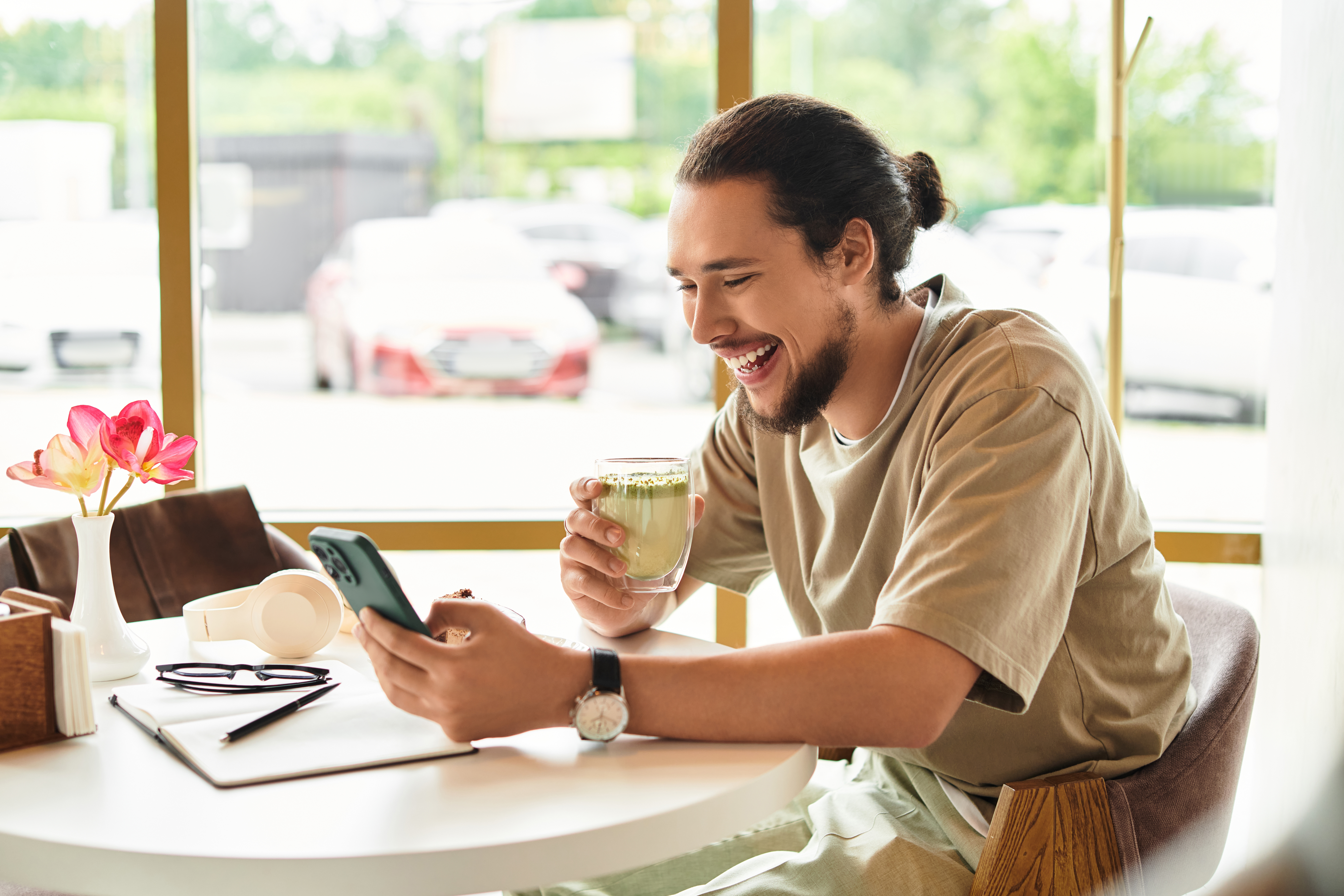
We’ve been told that Gen Z are reshaping the workplace, and not always for the better. They’ve been typecast as less focused, more demanding, and more likely to challenge traditional ways of working. Russell Cowley argues that taking proper breaks may be fixing something that the rest of us broke.
Across the UK workforce, the lunch break has been in steady decline for years. Various studies consistently show that many employees now take fewer than 30 minutes for lunch, and StandOutCV reported 82% of Brits do not take a full lunch break, with two thirds of workers eating lunch at their desk most days.
What we are witnessing here, is a fundamental difference in how people view the structure, and purpose, of the working day
This demise of the lunch break has been driven by busier schedules, hybrid working patterns, and an “always on” culture that blurred the boundaries of the working day. But Gen Z are behaving differently. Recent workplace data suggests that more than half of Gen Z employees (56%), take their full lunch break every day, while 66% regularly eat with colleagues. For many younger employees, lunch is increasingly replacing after-work drinks as the primary moment for connection.
What we are witnessing here, is a fundamental difference in how people view the structure, and purpose, of the working day. Older generations have been conditioned to treat breaks as optional, as something to sacrifice in the name of productivity. By contrast, Gen Z employees are treating them as essential for productivity.
Over time, many workplaces have normalised a culture of constant activity, where back-to-back meetings fill entire calendars, lunch is eaten in front of screens, and employees feel a sense of permanent availability whether they’re in the office or working from home. The result is a working day with no clear pause, and while this might look productive on the surface, it comes at a cost.
Studies from organisations such as Microsoft’s Work Trend Index have highlighted the growing impact of digital overload, meeting fatigue, and lack of recovery time – all of which reduce both productivity and wellbeing over time. The reality is that the things businesses value, such as collaboration, creativity and connection, don’t happen in back-to-back meetings, or while seeing off a meal deal over a spreadsheet.
Gen Z’s version of productivity looks different
Gen Z work differently; they decide when to focus, when to step away, and how they use shared time with colleagues. Studies have long argued that performance is driven not just by time spent working, but by cycles of focus and recovery. As recently as this April 2026, the International Labour Organization, linked long working hours with increased health risks and reduced efficiency, and potentially up to 840,000 deaths a year. Taking a proper break, especially a social one, isn’t a distraction from work.
This generational difference is also showing up in what people choose to consume. Younger workers are reshaping workplace drink culture, being more experimental and driven by how drinks make them feel compared with the generations that came before, who tended to stick to traditional tea and coffee for fuel, and familiar consumption routines.
According to research from Mintel and Lumina Intelligence, younger consumers are significantly more likely to explore non-traditional beverages, from matcha and chai to functional drinks designed for focus, calm or sustained energy. Furthermore, matcha menu items grew by over 30% year-on-year, one of the fastest-growing drink categories.
This reflects a broader mindset, as Gen Z are making choices that align with wellbeing, personal identity and experience, the same values shaping how they take breaks. This is echoed in a survey by Deloitte, which highlights that Gen Z place a significantly higher value on experience-led consumption, that reflects their lifestyle and identity. Ultimately, they are re-evaluating their role in the workplace.
Challenge or opportunity?
It’s easy to frame generational differences as a challenge. But if workplace culture is struggling, if collaboration feels forced and silos created, the issue may not be whether people have returned to the office post-lockdown, it may be down to how people spend that day.
If employees spend their day moving from meeting to meeting, eating at their desks and leaving without meaningful interaction, the opportunity for culture simply disappears. Gen Z, however, have adapted this unapologetically to suit their needs and it seems to be paying off. Why shouldn’t you take a permitted break, and why shouldn’t you do so away from your desk, screen or wherever it may be, to spend quality time with a colleague?
Russell Cowley is general manager at FreshGround
