Artificial intelligence is already reshaping work, but job losses aren’t inevitable. For L&D and HR leaders, the real challenge is turning disruption into capability at speed. With the right learning strategy, AI can protect roles, close skills gaps and future-proof organisations. Skills expert Robin Adda has the tips you need
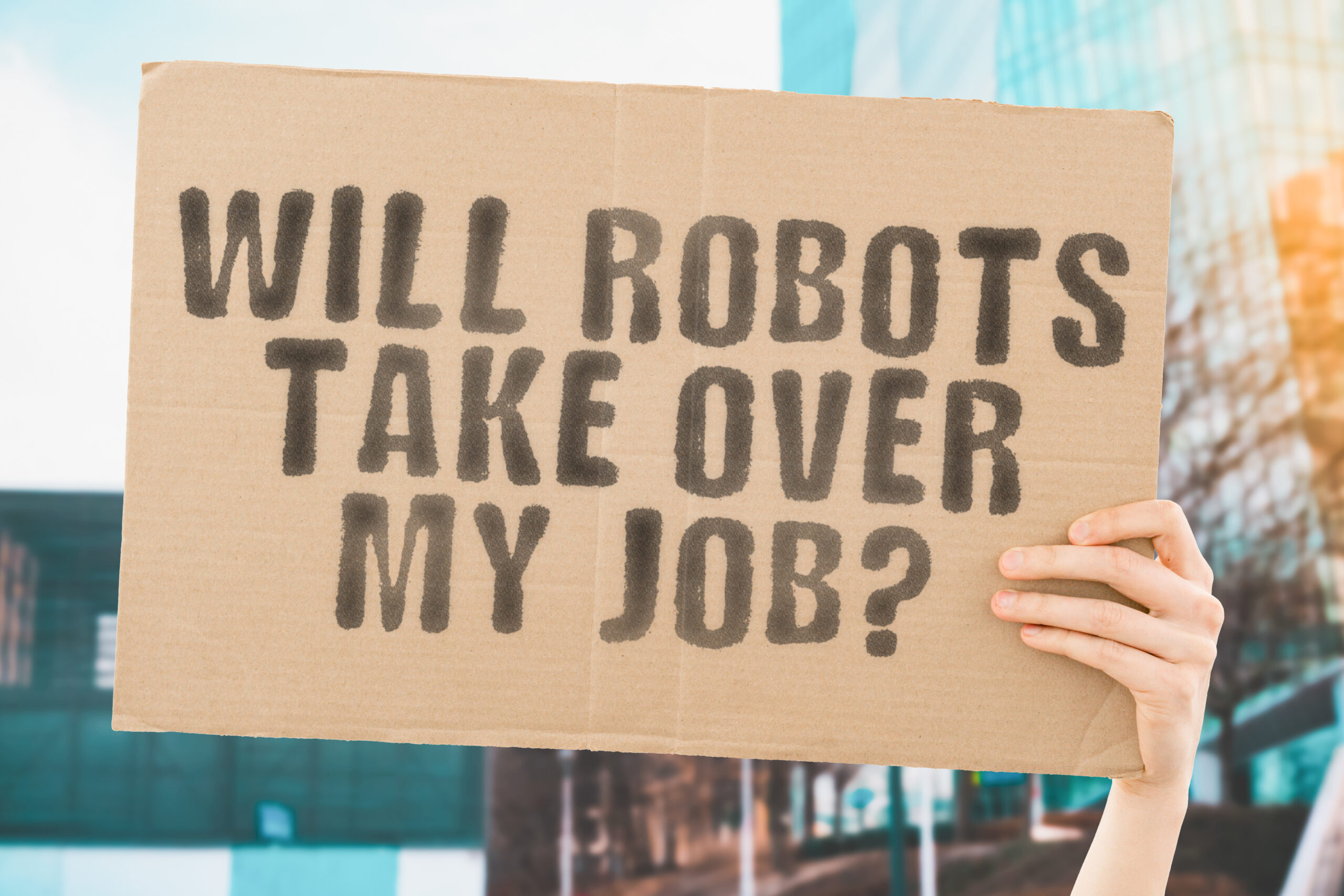
AI’s presence is ever-growing in the business world, and with it, the uncertainty among the professional community that their roles will become redundant. This stark fact is already becoming apparent, with new research from Adzuna suggesting that new entry-level jobs in the UK have dropped by almost a third since the launch of ChatGPT.
“L&D departments must evolve from content provider to strategic enabler – one that drives performance through adaptive, AI-powered, personalised learning at scale”
Employees of all levels are understandably concerned about what this will mean for their livelihoods – according to recent research from Acas, one in four UK workers fear that AI could lead to job losses. And those concerns may be valid, as big companies such as Microsoft continue to cut thousands of jobs while investing heavily in AI.
It is no secret that the skills crisis is growing. In 2022, research for Censuswide showed that 55% of UK organisations reported a digital skills shortage, though only about 36 to 44% provided regular digital training. More recently, a 2024 CIMA survey indicated that 79% of employers had identified digital/IT and AI-related skills gaps in their business – an increase of almost 45% compared to the figures from 2022.
But there doesn’t have to be darkness at the end of this tunnel – AI can help light the way as, when used correctly, it can spark productivity, identify personalised digital skills gaps, and ultimately help individuals and businesses build the knowledge that will be imperative for the digital and AI age.
AI is widening the skills gap – but it could also be the solution
The skills gap is fast becoming one of the UK’s most critical economic challenges – and artificial intelligence is supercharging it. A large share of today’s workforce is underprepared for evolving demands, and uncertainty spans right the way up – from entry level to the boardroom. In fact, a recent study found that over half of CEOs are worried that AI-related knowledge gaps will impair decision making and stunt business growth (Cisco).
This widening gap is already impacting productivity, innovation and profitability across industries. Without strategic action, the divide between workforce capabilities and business needs will continue to grow, posing a serious threat to the UK’s long-term economic resilience.
Some roles will inevitably be automated but others will be transformed, and it’s that transformation that holds the key to future growth. By enabling people to become advanced operators of the very tools that are reshaping our world, we will find the answer to protecting the workforce and closing the gap.
In fact, the very same force that is widening the gap can also help to close it, as AI can quickly and accurately identify individual skills gaps and accelerate learning through personalised, data-driven pathways.
HR and L&D must lead with strategy – not reaction
To harness this AI power effectively, organisations must adopt it thoughtfully and in alignment with business strategy – not reactively when it may already be too late.
In this environment of constant innovation, marginal improvements won’t cut it and it’s becoming clear there needs to be a rethink as, despite global corporate learning spending topping $400bn(£300bn) annually (Josh Bersin Company), the skills crisis continues to deepen.
Solving this demands a transformation in how organisations approach learning. The future of work isn’t just about tools and tech – it’s about how people and machines work together to create value. That evolution starts with HR and L&D, championing learning that is personal, measurable and aligned to business goals.
This means that all L&D departments must evolve from content provider to strategic enabler – one that drives performance through adaptive, AI-powered, personalised learning at scale. This approach won’t just improve output; it will sharpen workforce planning and, ultimately, reduce job loss and improve economic growth.
Robin Adda is the Founder and CEO of SkillsAssess
