
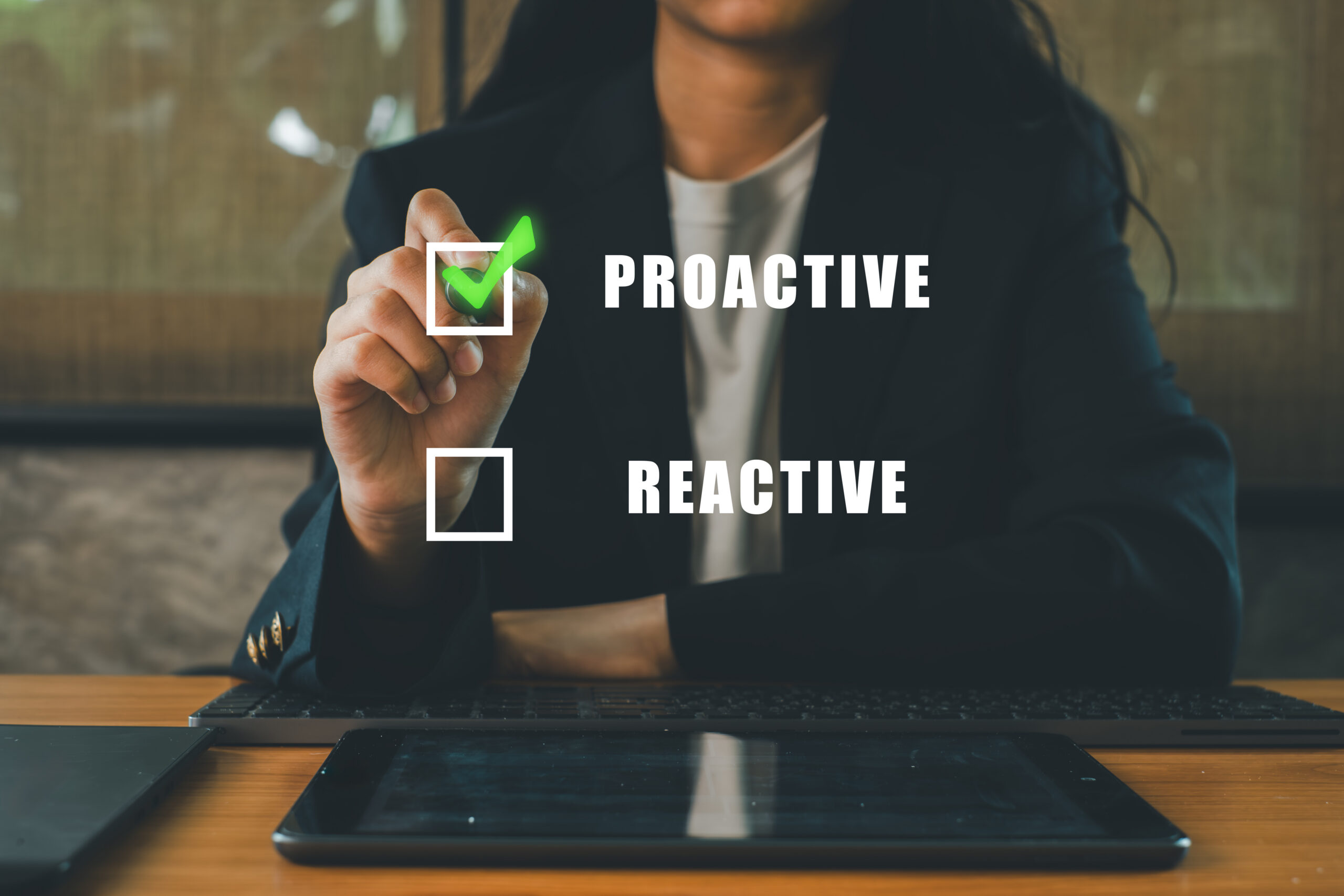
Helen Routledge argues that leadership judgement is rarely built in classrooms or reviews, but in high-pressure moments where the stakes are already real. She explores why relying on live exposure is costly, how the practice gap forms, and why organisations need safer ways for leaders to learn before consequences hit.
Most leaders don’t struggle because they don’t know what to do. The problem tends to show up later, in the moment where they have to decide what matters most, with incomplete information, competing pressures, and very little time to think. That’s usually the first point at which the consequences are real, visible, and no longer theoretical. By the time someone says, “I didn’t expect it to play out like that,” the organisation has already paid for the learning.
Most leadership roles don’t offer that kind of reflection space
We talk a lot about experience as though it automatically produces judgement, but that only really holds when there is enough space to reflect on what happened, recover from it, and try again under slightly different conditions. Most leadership roles don’t offer that kind of reflection space, particularly early on.
New managers are typically asked to step into environments where several things can go wrong at once, information arrives late or conflicts with what they’re seeing on the ground, and trade-offs between safety, people, quality, and delivery are unavoidable. Escalation carries political weight, autonomy carries risk, and the “right” decision often only becomes obvious after the fact.
Under those conditions, people don’t so much learn as they adapt. They find ways to cope, to avoid exposure, or to get through the shift. Judgement still forms, but it forms reactively, shaped by stress, precedent, and short-term fixes rather than deliberate choice. That isn’t a failure of the individual. It’s a consequence of the conditions we put them in.
Where judgement is really formed
Judgement rarely develops during courses, workshops, or post-hoc reviews. It develops in the moments people don’t usually get to practise beforehand. Moments like deciding which issue to deal with when two surface at once, or working out whether to intervene when the dashboard looks fine but something doesn’t feel right. It shows up when a decision made “by the book” creates an unexpected knock-on effect, or when a poor call has already been made and the second move matters more than the first. These are practice moments, whether we treat them as such or not.
The real question isn’t whether people are practising. It’s where that practice is happening, and what it costs when it goes wrong.
The practice gap
In many organisations, there’s a growing gap between the situations leaders are expected to handle and the situations they’ve actually had the chance to practise navigating. That gap is where judgement gets formed late, under live conditions, when errors are harder to contain and recovery options are limited. It’s also where escalation quietly becomes the learning mechanism, because that’s the point at which problems finally become visible.
When the practice gap is wide, patterns start to repeat. Similar issues surface in slightly different forms, leaders become cautious or overly procedural, and senior teams spend more time dealing with problems that feel familiar but never quite resolved.
None of this shows up neatly in completion rates or capability frameworks, but it’s very visible in operational pressure, risk exposure, and leadership fatigue.
Why learning “on the job” doesn’t scale
It’s common to justify this by saying people will grow into the role, and for a small number of individuals that’s true. At scale, it’s a risky strategy. When learning only happens through live exposure, judgement develops unevenly, avoidable risk becomes normalised, and the organisation ends up absorbing the cost of learning at the worst possible moment.
What gets described as experience is often just survival, and the habits formed under pressure tend to stick. Experience isn’t a learning strategy. It’s an outcome, and often an expensive one.
Practising before it’s real
The alternative isn’t more content or more frameworks. It’s creating opportunities for people to practise under conditions that resemble reality, without carrying its full consequences. Effective practice allows leaders to make decisions with imperfect information, experience the trade-offs that come with those decisions, see the second-order effects play out, and recover from mistakes while there’s still room to do so. It gives them the chance to reflect and try again, rather than simply move on.
When practice happens earlier, mistakes tend to be smaller, recovery is faster, and confidence becomes grounded in experience rather than optimism. More importantly, leaders retain a sense of control because they still have options.
The question worth asking
The question organisations often avoid isn’t whether their leaders are capable. It’s ‘where are our leaders getting to practise before it’s real?’. If the honest answer is that practice only happens once the consequences matter, then judgement is being formed in the most expensive way possible.
Closing the practice gap doesn’t mean turning everything into a simulation, or replacing existing development approaches. It starts with recognising that judgement is situational, learning is conditional, and practice needs to be designed rather than assumed.
Organisations that do this well don’t eliminate risk. They change when and where it appears. They move learning upstream, while issues are still visible, correctable, and contained, and they stop confusing getting through the day with actually building judgement.
A practical sense-check
One simple way to start is to look at when issues involving new leaders tend to surface. Do they show up before impact, once consequences are visible, or only when escalation becomes unavoidable?
That timing will usually tell you far more about how judgement is being formed than any leadership framework ever will.
Helen Routledge is the CEO of Totem Learning
