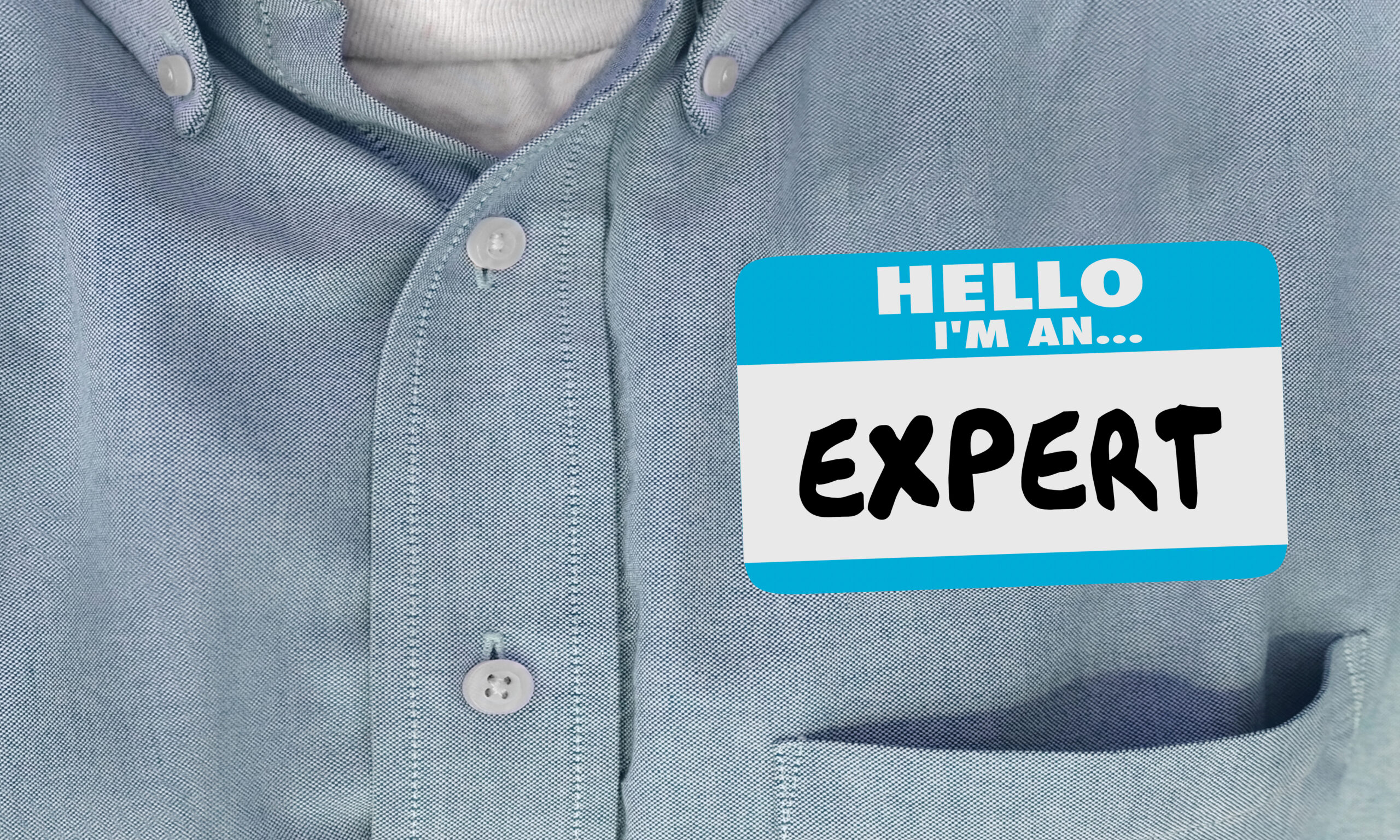
What does it take to stand out as a senior leader when experience is no longer enough? Richard Edge identifies three essential capabilities that could reshape leadership development and career progression, and explains how L&D teams can help leaders build the confidence, connections and clarity needed to thrive in changing times.
For most of the last thirty years, senior development has been built around one idea: deepen your expertise and progression will follow. Leadership programmes, accreditations and technical masterclasses all point the same way. That model is now running out of road.
71% said they would hire a less experienced candidate with AI skills over a more experienced one without them
Expertise still matters, it is simply no longer what sets senior people apart. When an AI tool can summarise a regulatory change, draft a board paper or model a scenario in minutes, deep knowledge becomes easier to replicate. Employers have noticed. In Microsoft and LinkedIn’s 2024 Work Trend Index, 66% of business leaders said they would not hire someone without AI skills, and 71% said they would hire a less experienced candidate with AI skills over a more experienced one without them. The World Economic Forum expects 39% of workers’ core skills to change by 2030.
Through my years as an HR Director, and since, working alongside senior people as they move role, I have seen the same pattern again and again. Leaders are now judged on three things, and most are strong on only one.
1. Using AI in their own work, not just talking about it
Many senior leaders can describe their organisation’s AI strategy. Far fewer can say how AI has changed their own week. Opening a chatbot to tidy up an email is a start, but it is not what boards and hiring panels are listening for. They want leaders who have given AI real work: preparing briefings, analysing data, drafting first versions of documents, or handling routine tasks so that their own time goes on judgement and people.
The test is simple. Could you explain in two minutes, without notes, where AI has changed how you work, and what you would do with it in your function?
2. Actively managing their network, not just having one
Most senior leaders have a network. Far fewer manage it. Many leaders’ contacts sit almost entirely inside their current organisation or were refreshed the last time they were looking for a role. That is a level of risk most would never accept in their own business.
An actively managed network is the best career transition risk management strategy a leader can have, and one of the most overlooked. It rests on two habits:
- Horizon scanning
Regularly looking across the sectors and organisations that matter to their long-term goals, noticing where change is coming and who is driving it - Watering the network
Staying in touch with the people who could open a door, sharing something useful and keeping those relationships warm, so that they are there when needed rather than rebuilt in a hurry
The evidence backs this up. LinkedIn’s own data shows that more than 70% of professionals get hired at companies where they have a personal connection. And a three-year study published in the Journal of Applied Psychology found that networking, defined as building, maintaining and using relationships, was linked not only to people’s current salary but to how quickly their salary grew over time.
3. Understanding their unique value, not just describing it
The third capability is the one leaders assume they already have. Ask a senior leader what makes them valuable and the answer is often a job title, a list of responsibilities or a set of familiar strengths:
- “I’m good at building relationships”
- “I deliver results”
- “I’ve built experience over a number of years”
These may well be true, but they are true of almost every senior candidate in the room, so they rarely help anyone stand out. Real clarity goes deeper than a well-rehearsed summary. It means understanding the specific problems a leader solves better than others, the context in which they are at their best, and the evidence that proves it.
A leader who can say, “I turn around underperforming operations in regulated businesses, and here is what happened last time”, is far more memorable than one who lists strengths. That clarity shapes everything from promotion conversations to board appointments.
L&D teams can lean into the change
Learning and development (L&D) teams should not be daunted by any of this. Organisations have been through big shifts before, from the arrival of the internet to the move to hybrid working. The ones that thrived equipped their people to stay ahead of the curve rather than simply keep up. The same is true now with AI. Rolling out Microsoft Copilot or a similar tool and leaving people to use it as a chatbot is not a development strategy.
Three changes inside existing senior development go a long way:
- Make AI personal and practical
Ask each leader to apply AI to a real task from their own week, share what changed and build on it, so that it becomes part of how they work rather than a novelty - Treat the network as a skill
Build horizon scanning and relationship-building into cohort programmes, mentoring and cross-functional projects, and ask leaders to map who could open doors for them - Help leaders find their unique value
Give them structured time and honest peer feedback to identify what genuinely sets them apart, with evidence, rather than a list of generic strengths
None of this replaces expertise. It sits alongside it. The leaders with the most choice over the next five years will be those who treat AI fluency, an actively managed network and a clear understanding of their unique value as skills to be learned, rather than traits they either have or do not. L&D teams are well placed to make that happen.
Richard Edge is Founder of Careerships
If this article piqued your interest, you’ll probably find value in our conference!
Find out about keynote speaker Erica Farmer, her opening session on the
AI Fire Hydrant and what it means for productivity, performance and L&D
Don’t miss 50% off your ticket for the first 30 only!
