
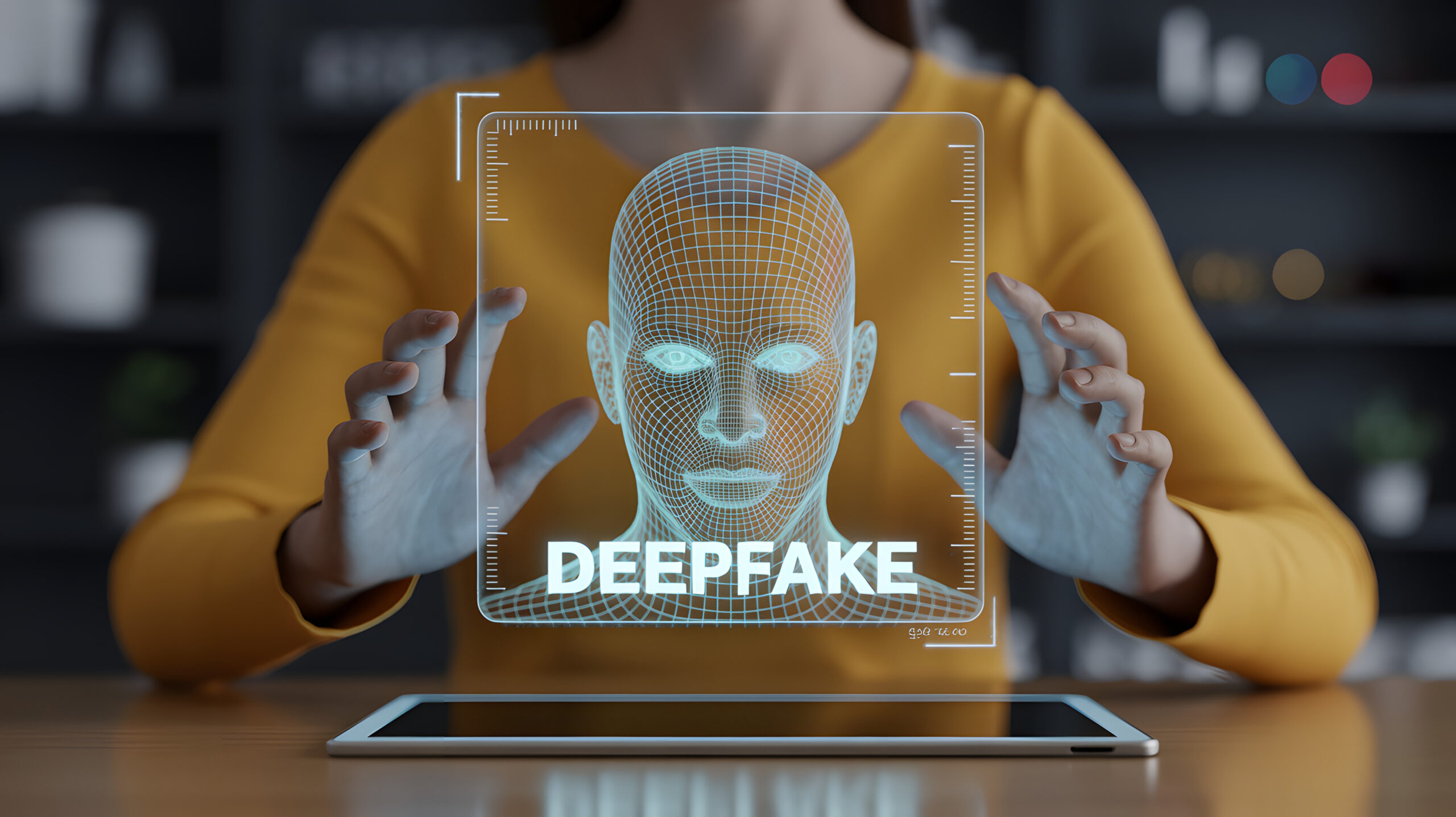
Mathew Armstrong explores how AI-generated deepfakes are slipping into hiring and onboarding, challenging trust for everyone right from the very start. Screening is no longer just compliance; it’s about creating inclusive, intelligent processes that protect culture, improve learning, and strengthen performance — ensuring every new hire relationship begins with genuine confidence.
A team leader spotted something strange. A new hire had passed the interviews and was preparing to start onboarding. They had already made it through the standard screening process, the kind many organisations still consider good enough. But during the welcome video, something didn’t feel right. The voice was slightly out of sync, the facial expressions weren’t quite natural, and the overall presence was hard to place.
The threat is technical in nature, the consequences land in human spaces
A closer look confirmed the suspicion: the person on-screen wasn’t real. It was an AI-generated deepfake. Convincing enough to pass at first glance, but hollow once you looked closer. This kind of fraud no longer lives in the future. It is already working its way into digital hiring journeys. While the threat is technical in nature, the consequences land in human spaces: culture, learning, and trust.
When fraud affects more than compliance
Identity fraud has traditionally been a compliance issue. But now it is reaching into the heart of the employee experience. The moment someone fraudulent enters your workforce, the impact is felt everywhere: in training, performance, team cohesion, and safety.
Screening is not only about filtering. It is about forming relationships. Done well, it sets the tone for everything that follows. Done poorly, it leaves teams vulnerable, and candidates disengaged.
Adapting how we build trust from day one
The tools used to deceive are getting smarter, and so too must the systems designed to detect them. But this shift is not only about the technology. It is also about the mindset. Many onboarding teams, hiring managers, and learning leads have not yet been trained to recognise synthetic content or manipulated documents. And in fairness, why would they? Until recently, this was not part of their world.
But now, it is.
That does not mean everyone needs to become a deepfake expert. It means there is an opportunity to connect screening with wider onboarding and development processes, and treat it as part of a more intelligent, people-first approach.
From verification to integration
The most forward-thinking organisations are already reframing screening as a gateway to performance, not a standalone step. They are integrating it with onboarding journeys, using it to surface insights, and treating the experience as a reflection of the employer brand.
The goal is not to slow things down. It is to be more confident in who you welcome, and to create an experience that builds trust early for both sides.
That might mean:
- Rethinking what “good” looks like in a verification journey
- Introducing smarter fraud detection tools that provide actionable insight
- Gathering feedback and iterating based on candidate experience
- Building screening into the broader flow of onboarding and induction
- Creating a process that works across languages, devices, and accessibility needs
The strongest screening journeys are designed to be inclusive from the start. That means supporting candidates who speak different languages, ensuring the process is accessible for people with different needs, and offering clarity at every step. It is about removing barriers early, so that every candidate has a fair and confident start to their working relationship with you.
By connecting screening to onboarding, training, and development, organisations can strengthen not only their hiring decisions, but also the long-term success of the people they bring in.
In a world where first impressions matter more than ever, screening is no longer a back-office process. It is an early trust signal. AI-generated fraud is not going away. The question for organisations is no longer whether their checks are compliant, it’s whether they are meaningful.
The people you bring in shape your culture, learning journeys, and long-term success. So the systems used to verify identity need to be intelligent, inclusive, and built to keep evolving.
Because when we get the start right, everything that follows is easier to get right too. We build the foundation for every learning, performance, and culture outcome that follows.
Mathew Armstrong is CEO of Giant Screening
