
People Managers

Culture reset case study: From attrition to high performance


Growth can create internal “static”, especially in people-first industries where belonging is the product. By building psychological safety, practising radical candour, and shifting to human-centric leadership, teams move from transactional communication to collective responsibility. Fiona Wright outlines how this approach reduced attrition, improved collaboration, and strengthened customer experiences at Haulfryn. In the hospitality and residential park industry, a brand is only as strong as the people who represent it. For Haulfryn, a family-owned business with a- 90-year history of excellence,…

Faster hiring or better hiring? Finding the human balance with AI
As artificial intelligence reshapes Talent Acquisition, organisations are gaining speed, scale and consistency across screening, scheduling and candidate engagement. Yet automation can amplify bias, erode trust and weaken human connection. Kavneet Kaur explores where AI delivers value, where it falls short, and how recruiters can protect fairness, empathy and judgment. The landscape of Talent Acquisition is undergoing a significant transformation, driven by the rapid adoption of Artificial Intelligence (AI). What was once a largely manual and relationship-driven function is now…
Thinking in Systems – book review
In her book ‘Thinking in Systems’, Donella Meadows shows why well-meant training often fails when structures, interconnections and purpose stay intact. Drawing on stocks, flows and feedback loops, Houra Amin explores what learning leaders can diagnose before intervening, and how patience, mental models and better metrics reshape sustainable organisational change. Book: Thinking in SystemsAuthor: Donella Meadows Donella Meadows opens with a quote from Robert Pirsig’s Zen and the Art of Motorcycle Maintenance: “If a factory is torn down but the…

The real secret to business success is your team
A motivated team doesn’t happen by accident. It takes leaders who practise empathy, build trust, invite different perspectives, and spot when people need support to recharge. In this article, Dalip Jaggi explains how personalising relationships and investing in growth creates a healthier culture, stronger collaboration, and creates lasting business success. What do you think is the secret to running a successful business? When asked this question, most people jump straight to things like “high-quality products” or “great customer service.” Although…

The skills crisis is a funding crisis
Jeni Burckart argues the skills crisis is not motivation but money: workers expect massive skill shifts by 2030, yet many pay out of pocket or skip training entirely. She explains why ‘figure it out yourself’ fails, and how upfront employer-funded pathways, apprenticeships and micro-credentials boost retention and promotions dramatically today. The World Economic Forum’s Jobs Report projects that 39% of workers’ core skills will need to change by 2030. Workers see this coming and want to develop those skills, but…

Career literacy for young employees: Turning potential into progression
Audrey Hametner argues that supporting early career talent means moving beyond one-off training to guided pathways that build career literacy, mentoring and experiential learning. By treating young employees as partners, organisations can boost engagement, widen opportunity, and cut turnover, turning L&D into a deliberate ecosystem across the employee lifecycle today. As a business professional who has spent the last decade applying over 20 years of corporate knowledge to education and youth development, I want to share with you some deeply…

Boundaries, not burnout: Building a culture of leadership kindness that lasts
In this candid piece, Maureen O’Callaghan shows why kindness at work starts with self-kindness. From silencing the inner critic that shouldn’t be your coach, to setting boundaries and building support, she argues sustainable leadership means staying present and protecting capacity. Kindness is not a performative tool, it is what endures. I used to stand at networking event doors, turn around three times, and leave. The voice in my head would say, ‘You’re boring. Nobody will be interested. Look how clever…
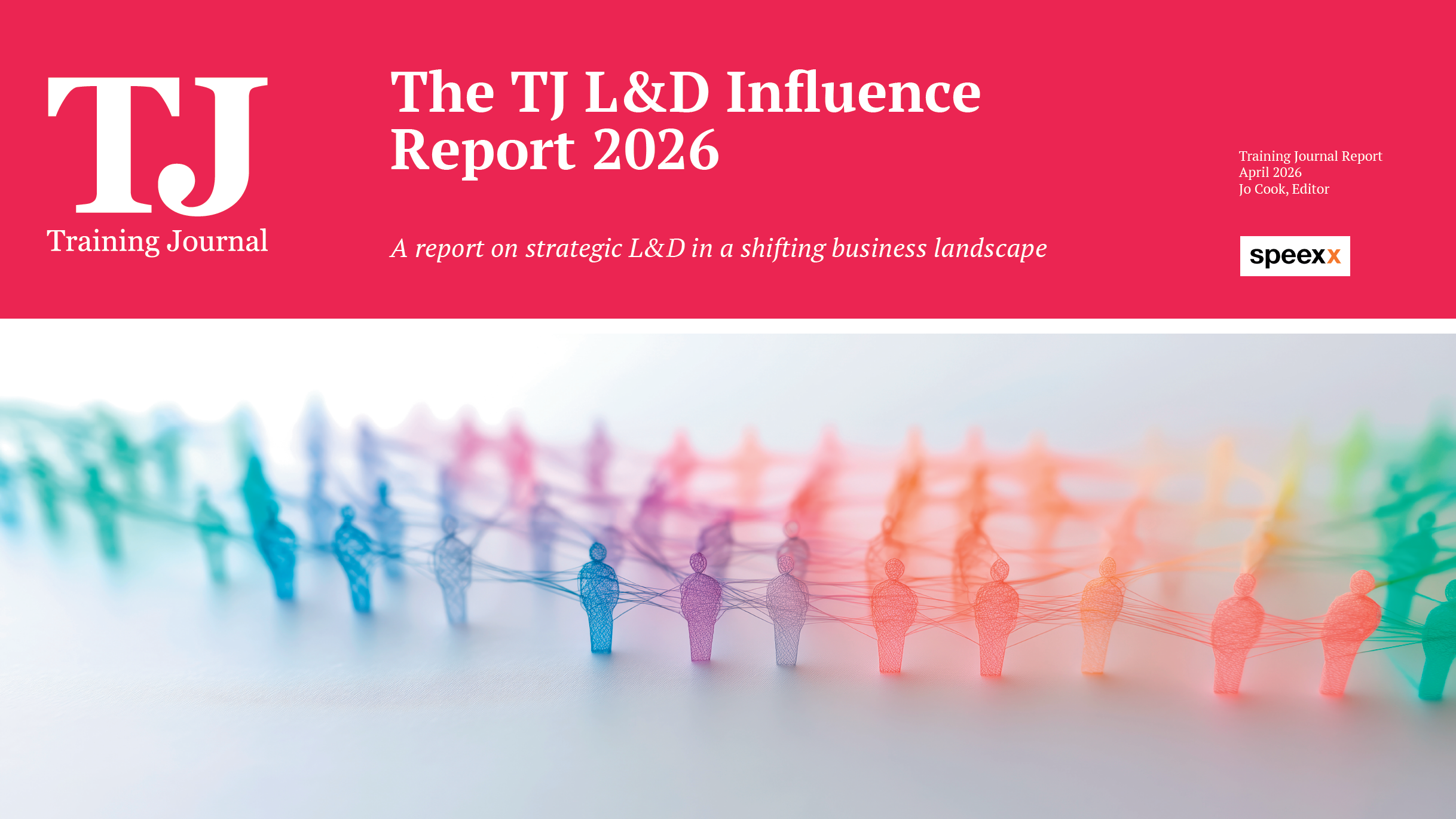
The TJ L&D Influence Report 2026
After months exploring why L&D’s best evidence and intentions still stall, Editor Jo Cook shares a new report shaped by Training Journal’s 60th Anniversary Conference. It introduces the Readiness Enablers Index and highlights practical conditions like stakeholder access, data, experimentation and support. Download it free and join the 2026 survey. What helps L&D move from good ideas and strong intentions to meaningful action? That question sits at the heart of this new report. At the centre of the report is…
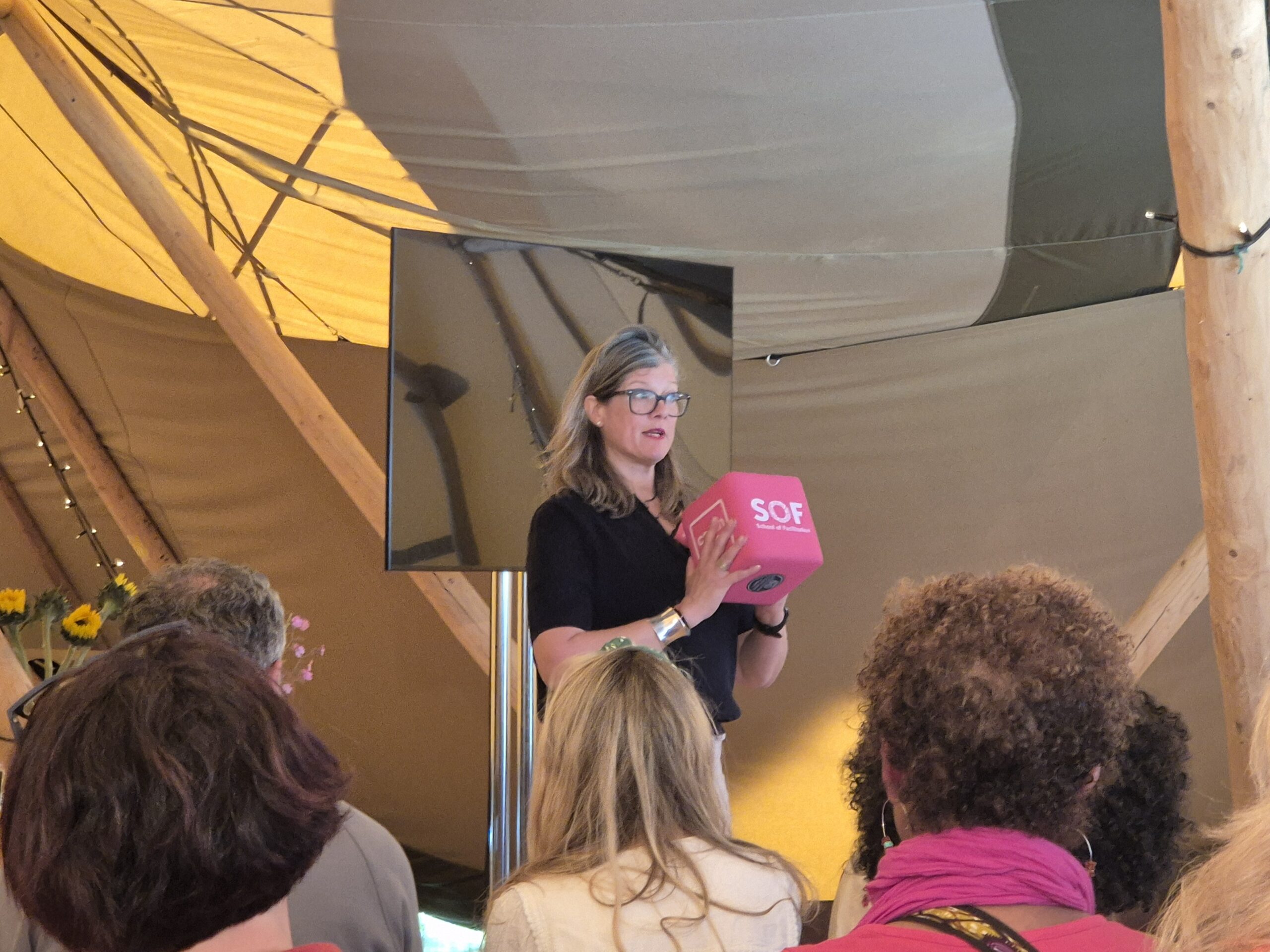
Why SoFest 2026 is more than a conference
Kirsty Lewis outlines how SoFest is coming together, with its mix of workshops, shared experiences and outdoor setting. With thoughtful attention to accessibility, wellbeing and community, the event aims to create rich opportunities for learning, conversation and connection, while Impact Tickets help widen access and support new voices in facilitation. In summary SOFest 2026 puts connection, accessibility and community at the heart of learning For people who want something different from the usual conference format, SoFest 2026 is positioning itself…

Women’s voices are being targeted online and event platforms must respond
Women-led online events linked to International Women’s Day were reported to have been disrupted with explicit content and coordinated interference. The abhorrent incidents have sparked calls for stronger platform safeguards and a renewed focus on practical event security, raising wider questions about safety, visibility and participation in professional digital spaces. Online events are now a normal part of working life, but recent attacks on women-led sessions are a reminder that digital participation is still not equally safe for everyone. A…
Want smart, useful L&D insight in your inbox (without the fluff)?
Subscribe to our weekly newsletter for Editor-only commentary, and exclusive insight that isn’t published anywhere else online.
If you want a quick roundup of what matters, fresh ideas you can use, and the best new reads from Training Journal, this is where it lands
It’s free, only takes a minute, and you can unsubscribe any time.
