
Features

Compliance theatre is over: Accredited online learning is the grown-up option


With budgets squeezed and the UK Employment Rights Act 2025 raising the stakes, distance learning is no longer second best. Nathan Tod argues accredited online qualifications can satisfy compliance, boost retention and cut costs, if L&D stop treating learning as an event and start building continuous development into work culture. The pressure on learning and development (L&D) professionals has rarely felt greater. Budgets are tighter, expectations are higher, and the Employment Rights Act 2025 has introduced a new layer of…

From completion to capability: Making skills visible where it matters
Completion rates look reassuring, but they hide whether people can actually perform. Leonidas Palaiokostas argues organisations face a skills visibility gap, leading to wasted hiring and underused talent. Leonidas shares four capability signals and shifts: verify skills in real work, empower managers, build inventories, and connect skills data to opportunities. Completion rates are often treated as a reliable signal of training success. In practice, they rarely tell the full story. It’s not uncommon for teams to reach 100% training completion…

Supported staff need supported leaders
Daily stress is becoming normalised at work, and surface-level wellbeing initiatives are not shifting the needle. Touchdown PR share different experienced voices that argue for proactive support: equip frontline managers, reduce admin friction, redesign workloads and build psychological safety. It also explores where technology can genuinely help without replacing culture. As we move further into 2026, leaders across every sector are continuing to navigate a period defined by rapid technological change and economic uncertainty. From the widespread integration of AI…

The generation we can’t afford to lose
With youth unemployment at its highest since 2014 and junior roles drawing 100+ applicants, employers can’t afford to pass on. Giles Smith argues we’re debating costs while the education-to-work system fails a generation. The answer is redesigning organisations for an AI-shaped future, with creativity and junior talent at the centre. Last week I attended an event where some industry leaders argued against hiring young people. I found that hard to understand, given the talent and potential we have seen through…

The leaking talent pipeline: How AI is quietly undermining leadership succession
AI is speeding up work while quietly eroding the early-career experiences that shape future leaders. As entry-level roles decline, judgement, emotional intelligence and organisational fluency have fewer places to form. Leena Rinne argues succession strength must be measured in capability, then rebuilt through deliberate practice, feedback and engineered development pathways. There’s a shift happening inside organisations right now that doesn’t show up on any succession plan. As AI absorbs more entry-level and early-career work, organisations are gaining speed but losing…

The mid-career crisis employers aren’t talking about: How L&D can fix the mid-career plateau
Somewhere between ‘settled’ and ‘stuck’, mid-career talent hits a quiet dip that drains energy and invites exits. Drawing on workplace happiness data, Kimberley Rowbottom shows why employees at the five/ten-year point feel least recognised and developed. Potential solutions include personalised pathways, visible appreciation and renewed social connection across the organisation. We’re at a critical, yet overlooked, inflection point in the employee experience: the mid-career dip. According to the Global Workplace Happiness Report, employees with five to ten years of tenure…

The skills obsession is creating a performance blind spot
Charles Jennings highlights the issue no training programme addresses: behavioural patterns inside teams that derail performance. He shows why Behavioural Risk should be on every L&D leader’s agenda, shifting focus from individual upskilling to interaction. Diagnose dynamics, track psychological safety and knowledge flow, and strengthen collective outcomes where strategy sticks. Learning and development teams are stretched. Skills taxonomies and individualised learning pathways are growing more sophisticated. AI is seen by L&D leaders as both a challenge and an opportunity. And…

The leadership blind spot: Managers who stop listening when it gets awkward
Difficult workplace conversations are now routine, but many managers lose confidence when emotions rise and listening matters most. Joseph Conway explores why employees feel dismissed, what the psychological safety data reveals, and how L&D can build people’s skills for listening under pressure, with practical strategies that strengthen trust and wellbeing. Difficult conversations in the workplace are no longer few and far between. For line managers, they’ve become a routine part of leadership, whether it’s navigating performance concerns, responding to interpersonal…

The missing step after restructuring: Lessons from a government department reset
Turn restructure into a practical reset, not a quiet drift. A government department team used an anonymous participant survey, output-driven working day and a virtual follow-up to agree priorities, decision routes and co-ordinate working rhythms. The result was measurable gains in clarity, effectiveness and confidence, case study from Yoav Zand. Following a period of organisational restructuring, a team had reached a natural transition point. A new structure had been implemented, roles and responsibilities had been clarified, and the team was…
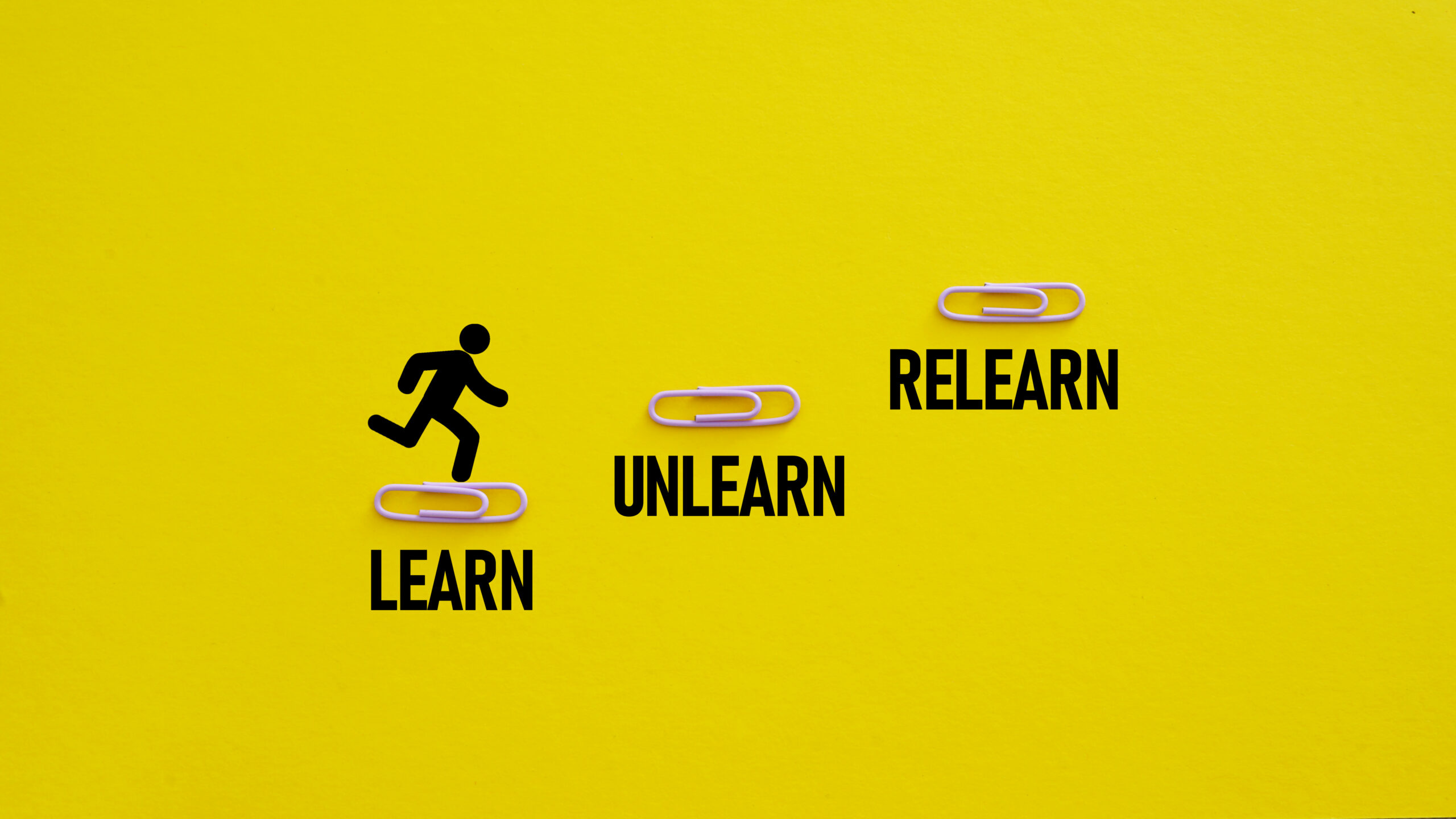
L&D in the age of reinvention: Four imperatives for the CLO
Chief Learning Officers are being asked to reinvent organisations, while AI rewires jobs and careers. The route is unlearning: letting go of ladders, fixed roles and ‘training as an event’. Dr Helmut Schuster and Dr David Oxley set out four imperatives for CLOs to build experimentation, trust, AI and capability. We are entering an era in which organisational reinvention is not optional. It is constant and structural. Artificial intelligence (AI) is reshaping roles and workflows. Career ladders are collapsing into…
Want smart, useful L&D insight in your inbox (without the fluff)?
Subscribe to our weekly newsletter for Editor-only commentary, and exclusive insight that isn’t published anywhere else online.
If you want a quick roundup of what matters, fresh ideas you can use, and the best new reads from Training Journal, this is where it lands
It’s free, only takes a minute, and you can unsubscribe any time.
