
Features

Transfer by design: The next maturity level of learning design


Closing the transfer gap means designing for workplace application from the outset, not hoping learning will stick afterwards. Melanie Martinelli and Ger Driesen explain how the 12 Levers of Transfer Effectiveness can help L&D teams build stronger transfer conditions, establish shared standards and connect learning more clearly to organisational performance. Your learning program is well designed. The facilitators are strong. Participation is high and the feedback scores look reassuring. Then people return to work. Three months later, managers struggle to…

The AI fire hydrant: L&D’s new job is to redesign the pipework
AI can make the creation of work dramatically faster. Unless L&D helps their organisation to change how work moves, gets judged and turns into value, the result will be pressure, not progress: stress on teams that are already at capacity, using process that weren’t designed for AI, says Erica Farmer. I keep hearing a version of the same story; someone uses AI to produce a first draft, analysis or set of options in a fraction of the usual time. Their…

The invisible workload of leading organisational change
Build change capability across every leadership by combining mindset shifts, practical training and coaching. Melanie Franklin explains why people development professionals must make change management explicit, scalable and aspirational, helping managers respond confidently to uncertainty, support their teams and turn constant disruption into a source of organisational strength and progress. With every business under constant pressure to adapt to technological, environmental, and social shifts, change has become a permanent part of working life. Yet while 61% of organisations recognise change…

My journey from HR to the c-suite, and what I learned along the way
A cold shift in a supermarket set an unexpected career in motion. Tom Emery traces the decisions led to the C-suite. Reflecting on setbacks, stretch roles and hard-won lessons, he shows how adaptability, relationships and courage can shape a career in the people profession far more than any grand plan. I was an accidental HR professional. Growing up, I wanted to work in public relations. I loved the sitcom Absolutely Fabulous. The characters, the outfits, the champagne and I thought…
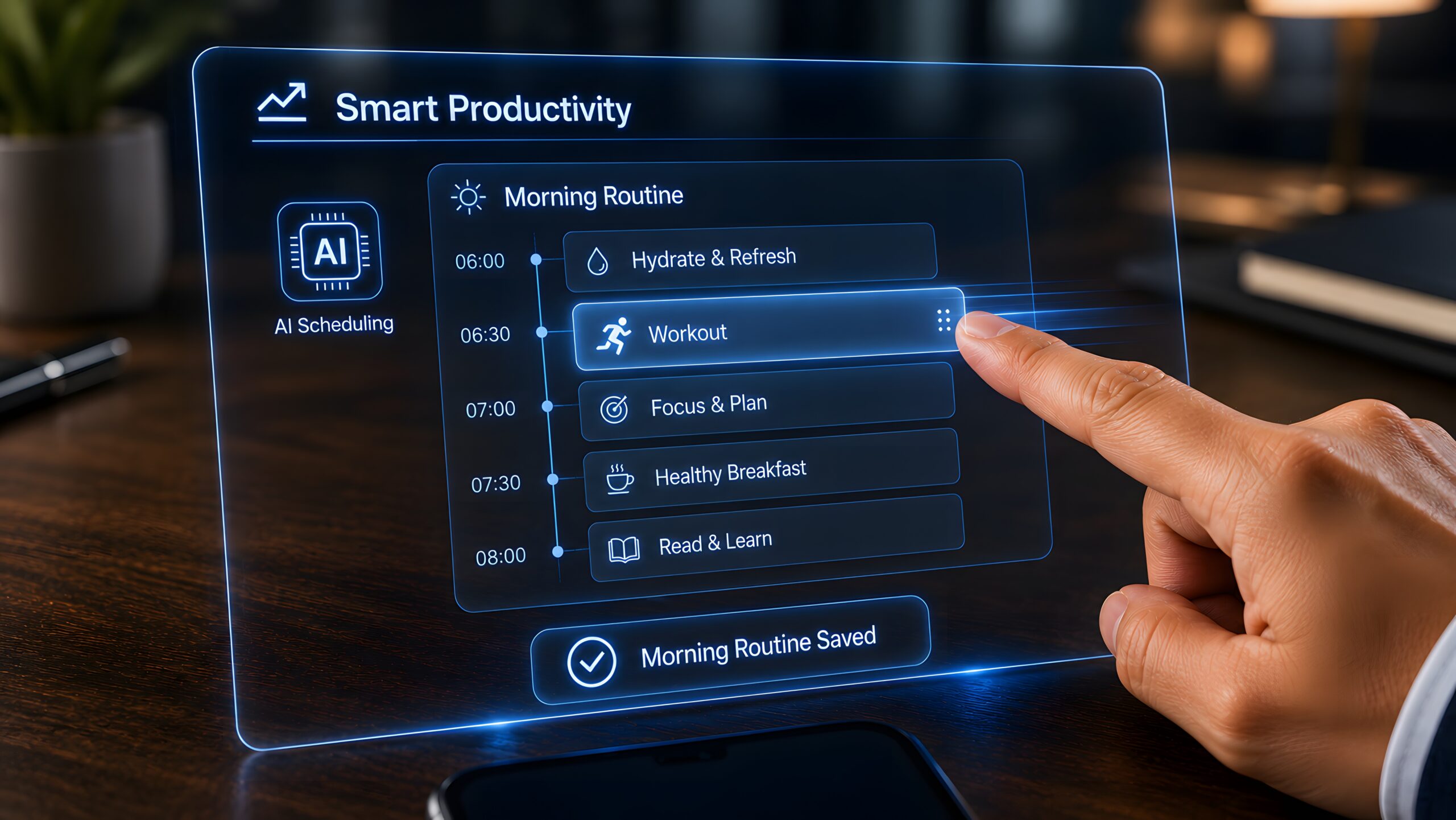
Striking the right balance between productivity and workplace wellbeing
Build sustainable productivity by redesigning work around focus, recovery and realistic capacity. Aleks Szymanski explains how leaders can reduce overload, encourage breaks, set clear expectations, use technology thoughtfully and model healthy boundaries, creating cultures where wellbeing strengthens performance, engagement, retention and resilience rather than competing with them at work daily. For years, productivity and wellbeing were framed as competing priorities. Push harder, the thinking went, and performance would rise, even if people paid the price. Today, that approach is proving…

Beyond the management ladder: Why Gen Z is redefining career success
Rethink training, leadership and career progression to retain Gen Z talent. Tara Ceranic Salinas explains why younger workers value time, flexibility, mastery and meaningful impact over traditional management titles, and how organisations can create learning cultures that build skills, recognise strengths and support sustainable growth at work for everyone involved. Every generation has their own ideas about what work should look like. Climbing the corporate ladder and reaching the pinnacles of management used to be the aim, but Gen Z…

Training has 24 months to prove its worth
Brad Batesole proposes that AI gives L&D leaders a rare chance to prove learning’s impact on performance and business results. As budgets tighten and scrutiny grows, organisations that measure what matters, personalise development and act now can turn learning into a lasting strategic advantage over slower-moving competitors in the market. Something changed in the last two years that most L&D leaders don’t quite know what to do with. For the first time, the technology exists to connect training activity directly…

How to cut L&D costs without reducing headcount
If budget costs are looking imminent, rather than draw up a list of redundancies, Ryan Austin suggests looking to see where other costs can be improved. Explore three overlooked operational levers that can absorb a mandated cost-reduction target before headcount has changes, grounded in operational data from enterprise L&D functions. For three years, the L&D budget conversation has followed the same script: costs are flat or shrinking, demand is rising, and AI is supposed to close the gap. It has…

Coaching’s identity crisis
The coaching industry may look fragmented and fiercely competitive, but Angela Cox feels it is better understood as a profession still evolving. As models multiply and practitioners adapt what they were taught, the deeper shift is towards more human-centred coaching that reflects the complexity of modern leadership and organisational life. If you ask ten people to describe what coaching actually is, you will probably receive ten different answers. Some will describe structured conversations focused on goals and performance. Others will…
Why leadership development doesn’t stop at a one-off workshop
As AI reshapes work, Shannon Alter writes that L&D teams must stop treating leadership confidence, presence and emotional intelligence as optional. Future-ready organisations will be those that build adaptable, human-centred leaders through deliberate practice, feedback and support before the highest-stakes moments arrive, retention falters and top talent starts looking elsewhere. Learning and development professionals are navigating a disconnect right now: while AI adoption accelerates across organisations at unprecedented speed, Gallup reports that fewer than 50% of employees participated in professional…
Want smart, useful L&D insight in your inbox (without the fluff)?
Subscribe to our weekly newsletter for Editor-only commentary, and exclusive insight that isn’t published anywhere else online.
If you want a quick roundup of what matters, fresh ideas you can use, and the best new reads from Training Journal, this is where it lands
It’s free, only takes a minute, and you can unsubscribe any time.
