
Features
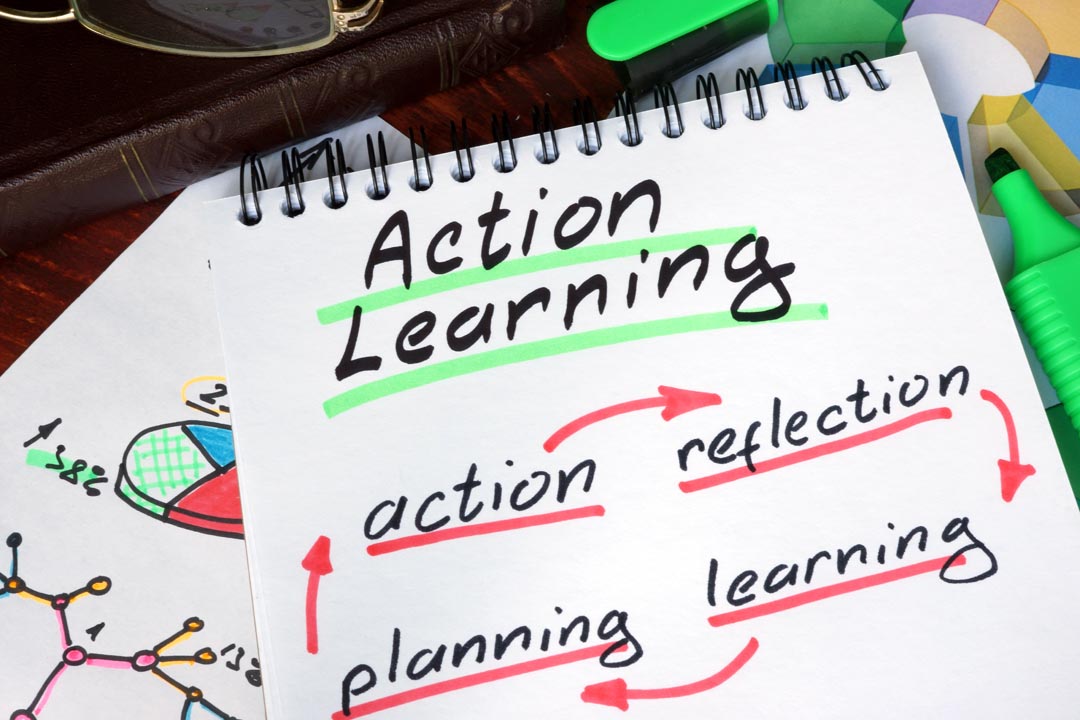
The missing link in L&D: Why action-learning deserves a comeback


Isobelle Keith looks at the learning intervention that time forgot The learning and development profession faces many challenges. Learning transfer from traditional training hovers at a dismal 12% (Collins 2023), and despite the billions spent on leadership development, the results don’t always bear out (Haslam et al 2024). Add to that the pace of technological change and the rapid advancement of AI and it’s clear that workplace learning needs a revolution. “There can be no learning without action, and no…

Leading beyond the pyramid: Crafting a culture of agile, empowered decision-making
Henrik Ekelund champions a shift towards decentralised decision-making in today’s fast-paced business environment Organisations today are struggling with decision-making more than ever before. In an era where technological innovations and global macrotrends are redefining the way we do business, the traditional hierarchical models of corporate governance are proving to be not just inadequate but a barrier to success. The old ways of command-and-control leadership slow down progress and stifle innovation. They create and reinforce silos and prevent those further down…

From awareness to action: equipping managers to support mental health at work
Michelle Robinson Hayes looks at the unseen burden of managers and the mental health crisis, and asks: are you helping your managers to help others? Employees across all age groups and demographics are experiencing increased stress levels, anxiety and burnout. In fact, stress, depression and anxiety accounted for 49% of all work-related ill health and 54% of working days lost due to such health issues in 2022 to 2023 – a rate which is higher than pre-pandemic levels, according to…

The dangers of ‘wellbeing washing’ and how to avoid it
Anna Eliatamby explores workplace wellbeing, exposing pitfalls and offering effective strategies Years ago, business recognised the importance of supporting and enhancing the wellbeing and mental health of employees and leaders. Wellbeing and employee assistance programmes came into existence. All this came to a crescendo during the Covid-19 pandemic. It is worth assessing the extent to which current efforts enhance wellbeing, and then make necessary changes A central pivot for these programmes was, and remains, learning and development (L&D). These interventions…

Why the way we do business needs to change
Stuck in old ways in a new business world? Blaire Palmer shares key tips to modernise your approach and succeed today With a few minor tweaks, we still run our organisations and organise our people the same way we have done for more than 200 years. We judge people by their working hours, we have a career ladder which goes only in one direction – up. We try to motivate employees with a new job title, a pay rise and…

Research insights for understanding employee needs
Pay is not the only reason employees choose to stay in a role, writes Evgeniya Blyznyuk People professionals regularly face challenges related to employee wellbeing, engagement, retention, and satisfaction with working conditions. To build a healthy workplace, it is important to understand the key needs and desires of staff. The results of a recent survey by Gradus Research showed that financial security is not the number one priority for a happy life among office workers, as it is commonly believed.…

Global workplace turmoil: the unresolved crisis of violence and harassment
As one in five report experiencing violence and harassment at work, Aaron Gardner looks at what has been done to create safer workplaces Around the world, violence and harassment in the workplace is a major issue. Data from the Lloyd’s Register Foundation World Risk Poll indicates that more than one in five (21%) workers globally have experienced violence and harassment at work. The next stage is to take action, and there are clear and effective steps that can be…

Key skills for sustainable change programmes
Marek Szwejczewski, Steve Macaulay and Bob Lillis on the link between successful change and shifting skills, mindsets and attitudes L&D and people professionals have long understood that organisational change is essential and inevitable today; but what are the key skills involved and when should they be deployed? L&D professionals play a crucial role in developing the necessary skills at each stage of the change process Insights were gleaned from research into planned change programmes that lasted 18 months to six…

Ghosting in recruitment doesn’t have to be a horror story
Luke Shipley on how to keep communication lines firing on all cylinders during the hiring process Ghosting isn’t the first thing that comes to mind when you think about hiring a new employee, or when speaking to a potential employer. But with the shift to remote and digital-first work over the last few years, the way we recruit and employ people has changed – and with that comes new challenges and workplace trends. The best way to solve ghosting is…

LTEM and Action Mapping: hot sauce for business-driven learning
Ricci Masero adds zest to training evaluations, aligning learning with organisational goals and kicking performance gaps to the curb While travelling in the lush paradise of Costa Rica, where zesty hot sauce is as ubiquitous as the tropical sunshine, I stumbled on an insightful LinkedIn comment that sparked my interest in LTEM and Action Mapping. Just as the locals here expertly blend fiery chilies and tantalising spices to create their beloved hot sauces, these learning methodologies offer the perfect recipe…
Want smart, useful L&D insight in your inbox (without the fluff)?
Subscribe to our weekly newsletter for Editor-only commentary, and exclusive insight that isn’t published anywhere else online.
If you want a quick roundup of what matters, fresh ideas you can use, and the best new reads from Training Journal, this is where it lands
It’s free, only takes a minute, and you can unsubscribe any time.
