
L&D Leaders
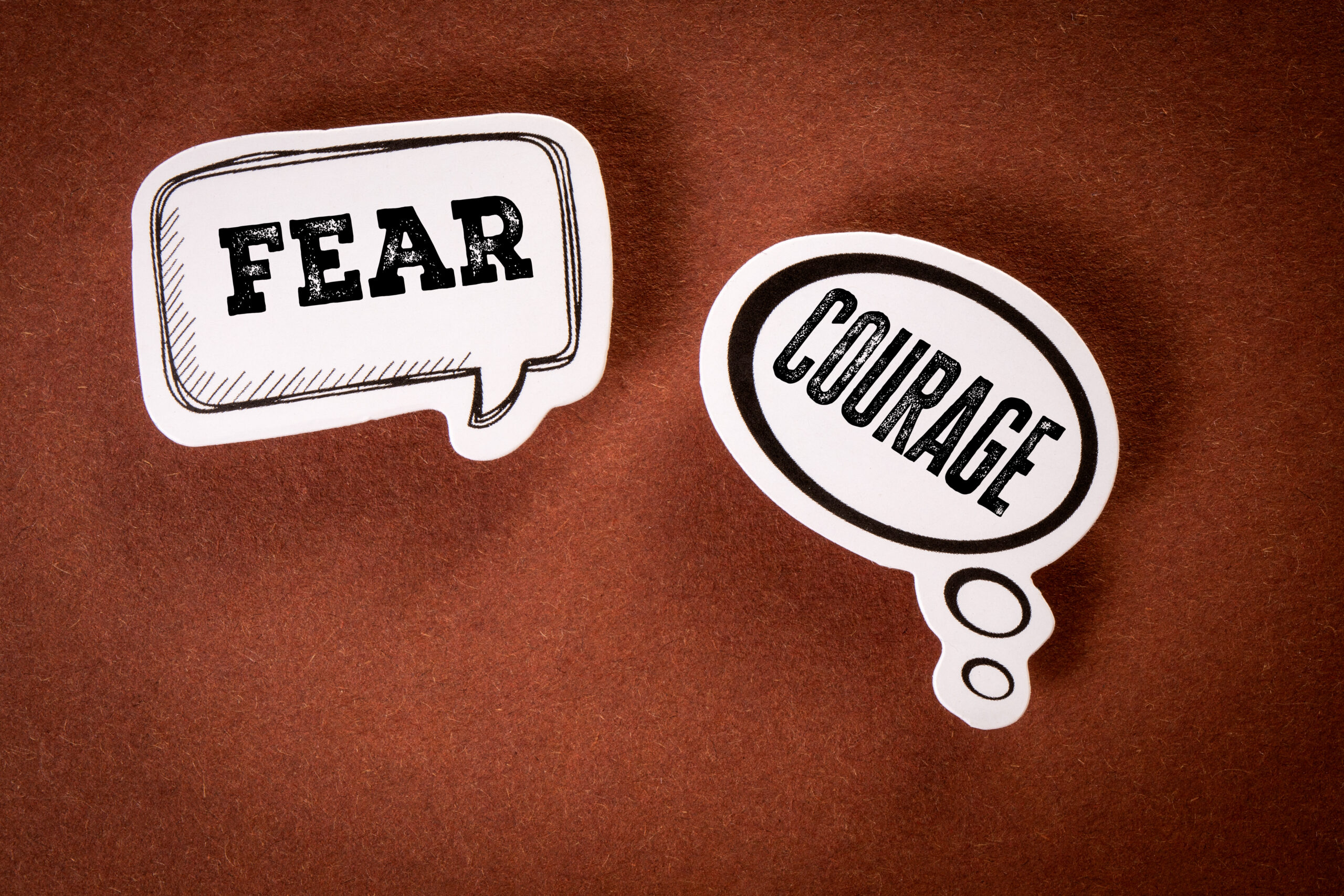
The choices that turn fear into courage: How organisations can have more every day


Organisations must respond to economic anxiety by designing cultures where trust and psychological safety make everyday courage possible, writes Christopher O.H. Williams. We need to help employees speak up, challenge ideas, embrace change and contribute confidently as leaders work to rebuild confidence, loyalty and performance across every team and department. As one of America’s government shutdown was ending, Fortune described the U.S. economy as “a tale of two halves”: one of wealthy consumers with a rosier economic outlook, and another…

Beyond Words – book review
Most leadership challenges are relational, not transactional and that should reshape L&D priorities. In his review, Andy Evans explores Beyond Words and its 8 Principles of Relational Capacity, following the path from survival to safety to success, and what this lens reveals about burnout, culture initiatives, and AI in organisations. Book: Beyond Words: How to Lead People from Survival to SuccessAuthor: Kerry-Lyn Stanton-Downes There’s a particular type of leadership book that arrives with a bold premise, delivers three hundred pages…

Why active doubt is a vital skill for effectiveness in a rapidly evolving world
Doubt is not leadership’s enemy but a practical response to uncertainty. Jenny Williams argues that leaders build trust by naming what they do not know, holding opinions lightly and inviting challenge. In complex environments, active doubt keeps thinking flexible, supports learning and helps organisations adapt, decide and move forward together. Leadership can feel like a relentless roller-coaster ride: rapid turns, unexpected drops and little visibility of what lies ahead. The only certainty is uncertainty. And that uncertainty requires a reboot…

TJ interviews: Dr Alex Zarifis on how AI is forcing leaders to rethink how people learn, work and create value
Dr Alex Zarifis says UK firms will only unlock AI value when leaders redesign processes and business models, not just add tools. He urges transparent communication to build trust without blind faith, and argues agentic AI will push leaders towards clearer, transactional direction when managing mixed human and machine teams. UK businesses are starting to see AI’s productivity potential, but the value story is still uneven. The UK government’s 2026 AI Adoption Research found that 56% of businesses using AI…
The Adaptive Leader – book review
Agility, for most L&D teams, is less about sprints and more about decisions close to work, safe experimentation and leading through uncertainty. Matt Smith reviews Giles Lindsay’s book The Adaptive Leader, exploring adaptive traits and cross-cultural ambition, alongside a key tension between “being agile” and the book’s recurring Agile terminology. Book: The Adaptive LeaderAuthor: Giles Lindsay There is a version of agility that most L&D professionals recognise, even if they have never attended a sprint planning session or facilitated a…

When talent outpaces governance: What wrestling’s reckoning teaches the people profession
Allegations during wrestling’s 2020 Speaking Out reckoning show what happens when growth outpaces governance. Andy Evans argues misconduct is a systems problem, not just bad actors, and urges HR and L&D to build ethical capability: psychological safety, scenario-based training, independent reporting routes, fair investigations, and proportionate responses before trust collapses. In 2020, the UK professional wrestling industry experienced a reckoning that almost destroyed it. Allegations raised during the Speaking Out movement led to careers ending overnight, promotions collapsing, and an…

New leader, old story: How teams decide before you speak
Reputation walks into work before you do, and teams cling to old stories. Chris Dodd explores how labels form, why cynics shape perceptions, and how leaders earn credibility socially through visibility, listening and consistency. Behaviour, not title, rebuilds trust, lifts morale and stops you battling an outdated version of yourself. One thing I learned very early in the Royal Navy, is that your reputation normally arrives before you do. Long before a new Captain, senior leader, manager, or supervisor even…

Align, coach, reflect, consolidate: A leadership rhythm for turbulent times
During upheaval, leaders often cling to process, but progress comes from staying close to people. Karl Green sets out a practical cycle: align the senior team on direction and commitments, coach through uncertainty with actionable feedback, pause for a midpoint reflection, then consolidate learning to build resilience and growth together. When organisations go through significant change, such as rapid growth, a merger, redundancies or a strategic reset, the instinct for many leaders is to default to process. When change hits,…

The missing step after restructuring: Lessons from a government department reset
Turn restructure into a practical reset, not a quiet drift. A government department team used an anonymous participant survey, output-driven working day and a virtual follow-up to agree priorities, decision routes and co-ordinate working rhythms. The result was measurable gains in clarity, effectiveness and confidence, case study from Yoav Zand. Following a period of organisational restructuring, a team had reached a natural transition point. A new structure had been implemented, roles and responsibilities had been clarified, and the team was…
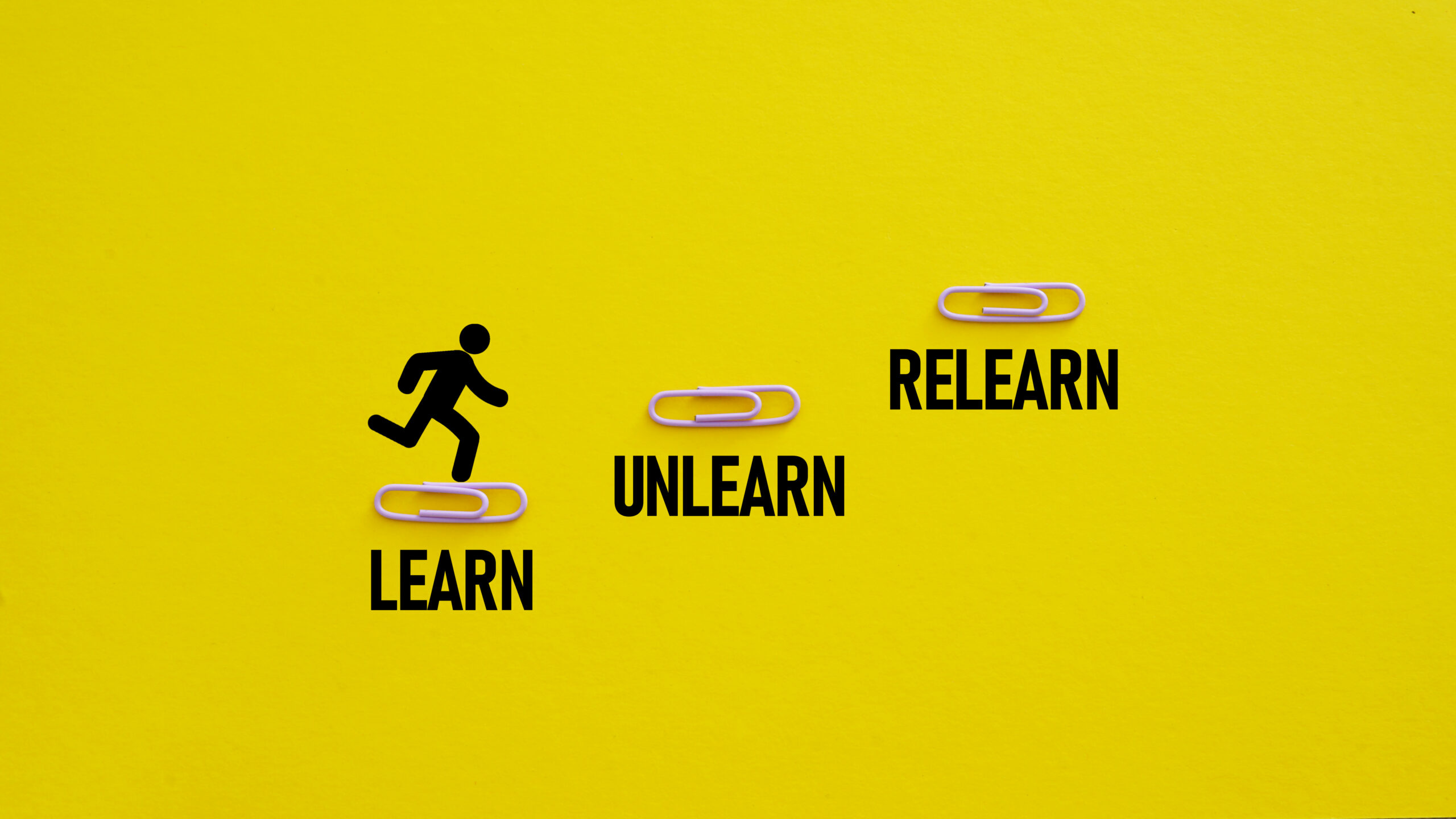
L&D in the age of reinvention: Four imperatives for the CLO
Chief Learning Officers are being asked to reinvent organisations, while AI rewires jobs and careers. The route is unlearning: letting go of ladders, fixed roles and ‘training as an event’. Dr Helmut Schuster and Dr David Oxley set out four imperatives for CLOs to build experimentation, trust, AI and capability. We are entering an era in which organisational reinvention is not optional. It is constant and structural. Artificial intelligence (AI) is reshaping roles and workflows. Career ladders are collapsing into…
Want smart, useful L&D insight in your inbox (without the fluff)?
Subscribe to our weekly newsletter for Editor-only commentary, and exclusive insight that isn’t published anywhere else online.
If you want a quick roundup of what matters, fresh ideas you can use, and the best new reads from Training Journal, this is where it lands
It’s free, only takes a minute, and you can unsubscribe any time.
