
L&D Leaders

When leaders run on empty, strategy turns into firefighting


Workplace stress is surging, executive burnout is a systemic risk to organisational performance. In a DUSTy polycrisis world, traditional wellbeing initiatives barely touch the root causes. Steve Macaulay sets out a practical HR and L&D roadmap to redesign roles, build psychological safety, embed structured support and impact the whole organisation. The signs of workplace stress are everywhere: UK sickness absence is at its highest for 15 years. According to a CIPD survey, 64% of organisations are taking steps to identify…
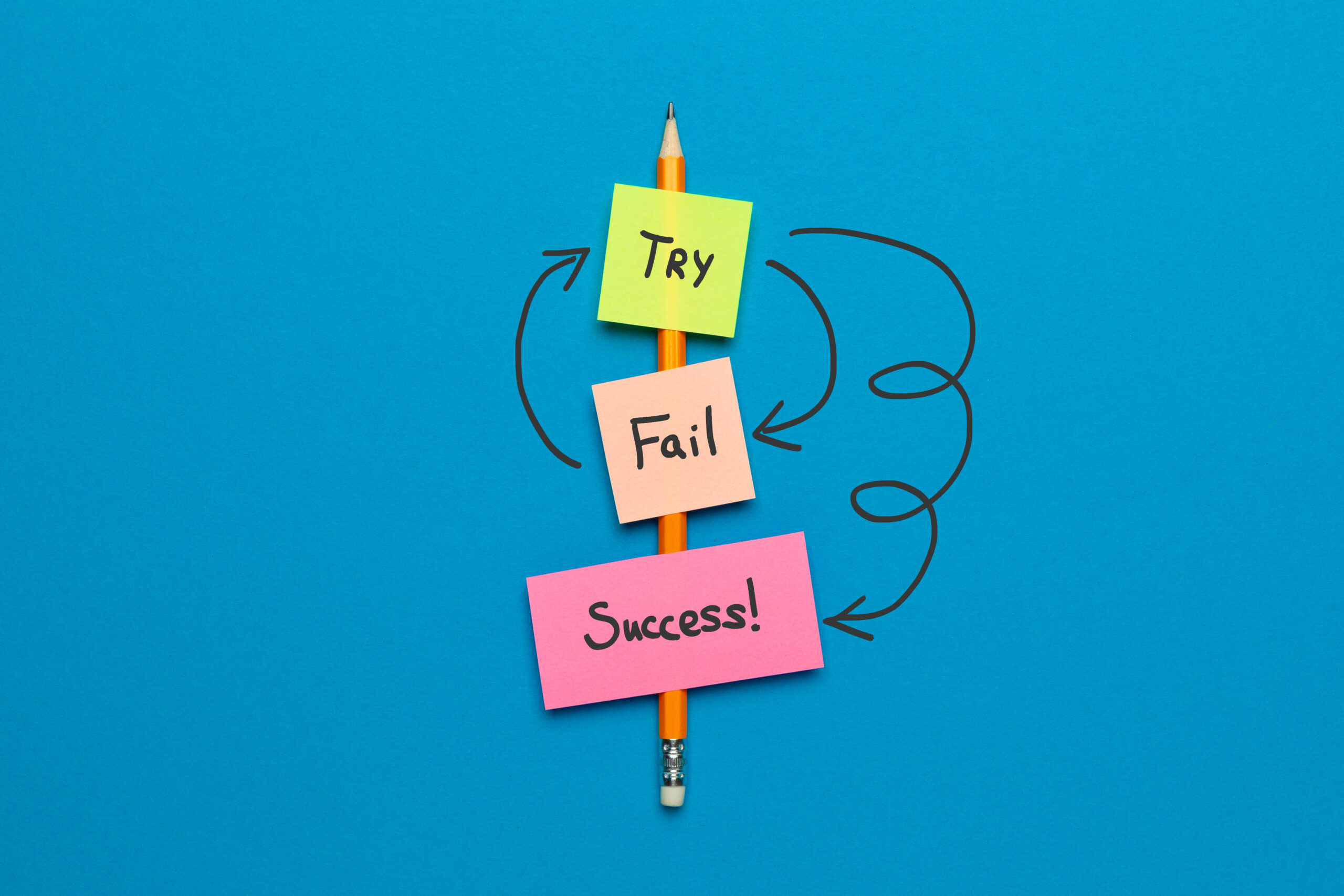
The risk radar that stops culture biting back
Most leadership programmes scale fast on assumptions that only unravel in the room. A genuine pilot surfaces hidden beliefs, resistance and the workplace conditions that make behaviour change stick, before the full investment lands. Jimmy Burroughes argues against biased, stacked pilots and shows how to test important reality, not optimism. Most leadership programmes are designed and decided before anyone enters the training room. The content is chosen, facilitators are booked, the business case clears the board or approvals committee, and…
L&D’s biggest influence barrier is access to decision-makers
L&D can’t make impact visible an important from the side-lines. The TJ Readiness Enablers Index shows that the biggest bottleneck to meaningful change is access to decision-makers about strategy, budget and priorities. While L&D has momentum, readiness is inconsistent, and influence depends on being close enough to shape action early. In a context of L&D focusing on impact, including grappling with how to measure it, how to evidence it, how to report it and how to make it visible to…

How to lead when everyone is in survival mode
Survival mode at work is often invisible, showing up as relational drift, polite avoidance and quiet withdrawal. Kerry-Lyn Stanton-Downes explains why individual wellbeing fixes fall short and instead asserts that relational capacity creates psychological safety. Her pathway, regulate, relate, reconnect, offers leaders and L&D a practical way to rebuild trust. We all know the experience of survival mode. The meeting where the energy is wrong before anyone has said a word. The conversation that stays polite on the surface while…
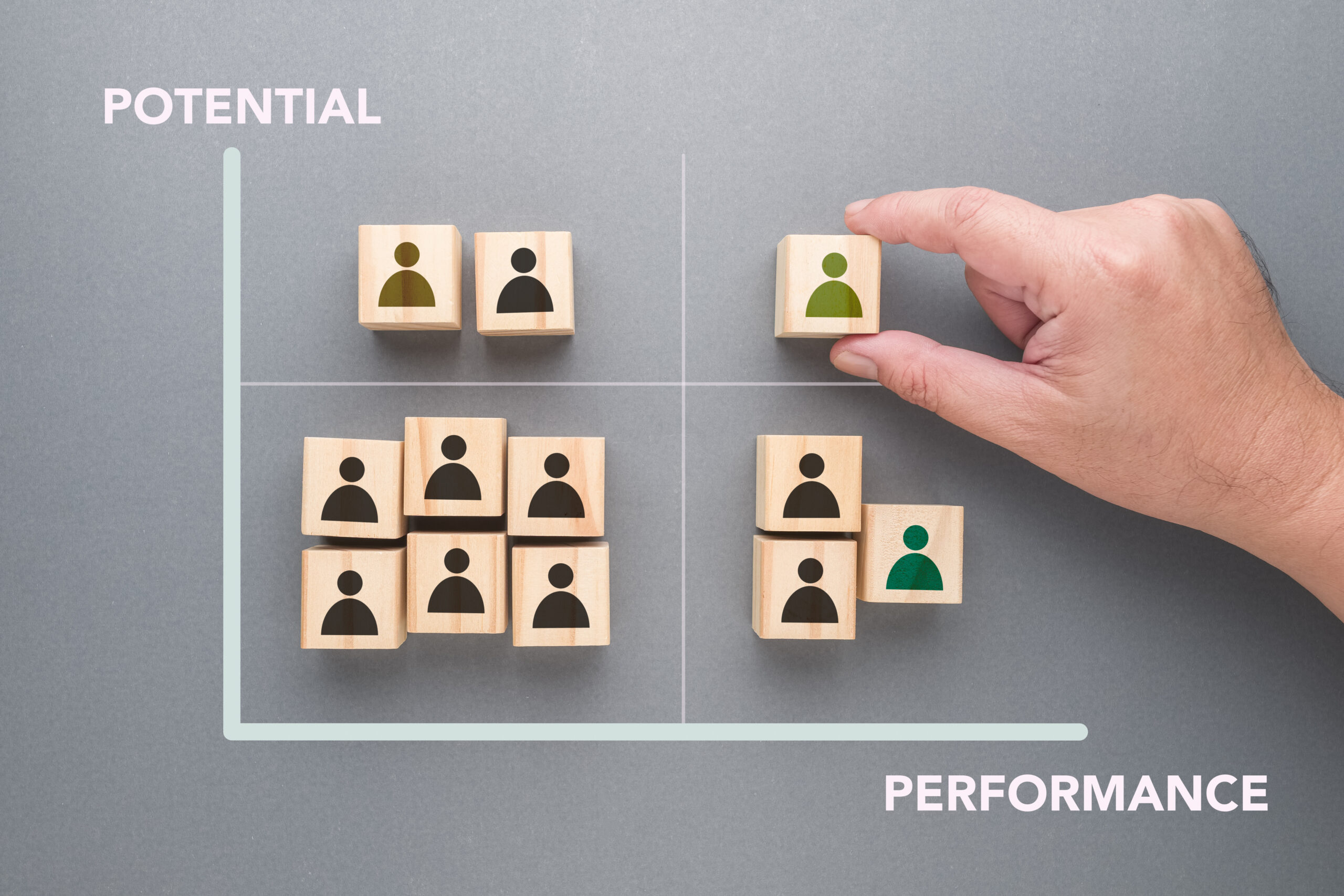
Culture reset case study: From attrition to high performance
Growth can create internal “static”, especially in people-first industries where belonging is the product. By building psychological safety, practising radical candour, and shifting to human-centric leadership, teams move from transactional communication to collective responsibility. Fiona Wright outlines how this approach reduced attrition, improved collaboration, and strengthened customer experiences at Haulfryn. In the hospitality and residential park industry, a brand is only as strong as the people who represent it. For Haulfryn, a family-owned business with a- 90-year history of excellence,…

Why early involvement is only part of the story
Getting L&D involved early matters, but this discussion shows that access alone is not the full answer. Kim Ellis, Cathy Hoy, Donald H Taylor and Laura Overton reflect on stakeholder relationships, strategic credibility and why influence grows when L&D understands the business well enough to help shape what happens next. Summary A recurring theme in the TJ L&D Influence Report is that good intentions and strong evidence are rarely enough on their own. What often makes the difference is whether…

The real secret to business success is your team
A motivated team doesn’t happen by accident. It takes leaders who practise empathy, build trust, invite different perspectives, and spot when people need support to recharge. In this article, Dalip Jaggi explains how personalising relationships and investing in growth creates a healthier culture, stronger collaboration, and creates lasting business success. What do you think is the secret to running a successful business? When asked this question, most people jump straight to things like “high-quality products” or “great customer service.” Although…

Boundaries, not burnout: Building a culture of leadership kindness that lasts
In this candid piece, Maureen O’Callaghan shows why kindness at work starts with self-kindness. From silencing the inner critic that shouldn’t be your coach, to setting boundaries and building support, she argues sustainable leadership means staying present and protecting capacity. Kindness is not a performative tool, it is what endures. I used to stand at networking event doors, turn around three times, and leave. The voice in my head would say, ‘You’re boring. Nobody will be interested. Look how clever…

The efficiency paradox: Why AI is speeding up work but slowing down leadership
Andrew Bryant argues that AI-driven efficiency is outpacing leadership capability, creating an “efficiency paradox” where organisations perform better on paper but grow strategically weaker. He explores Klarna’s AI lesson, the shift from performance management to potential development, and why L&D must build leaders who unleash human judgement, creativity, and meaning. Organisations are getting faster. But they are not getting better at leading people. That is the uncomfortable truth at the centre of the AI revolution. As companies race to automate,…

Three AI adoption patterns that look busy but break performance
Fahed Bizzari argues most organisations are just drifting into AI use, creating activity without dependable performance. He outlines three common patterns: waiting, rolling tools out, and mandating use, all of which fuel shadow AI: uneven quality and rework. He shows how L&D can build role-based capability, checking habits and accountability. Most organisations are already living with AI at work. People use it to draft, summarise, rewrite and plan. Some outputs are good. Most are just fast. A lot is quietly…
Want smart, useful L&D insight in your inbox (without the fluff)?
Subscribe to our weekly newsletter for Editor-only commentary, and exclusive insight that isn’t published anywhere else online.
If you want a quick roundup of what matters, fresh ideas you can use, and the best new reads from Training Journal, this is where it lands
It’s free, only takes a minute, and you can unsubscribe any time.
