
Opinion

The sound of authority is changing. Are our assumptions keeping pace?


The way we speak can shape how others perceive our intelligence, credibility and leadership potential. But should it? Cath Baxter challenges the everyday assumptions behind accent bias, explores its damaging impact on careers and confidence, and explains why being understood matters far more than sounding like someone else at work. For the first time in more than a decade, the UK is being led by a voice that sounds unmistakably like where it’s from. Prime Minister Andy Burnham’s voice is…
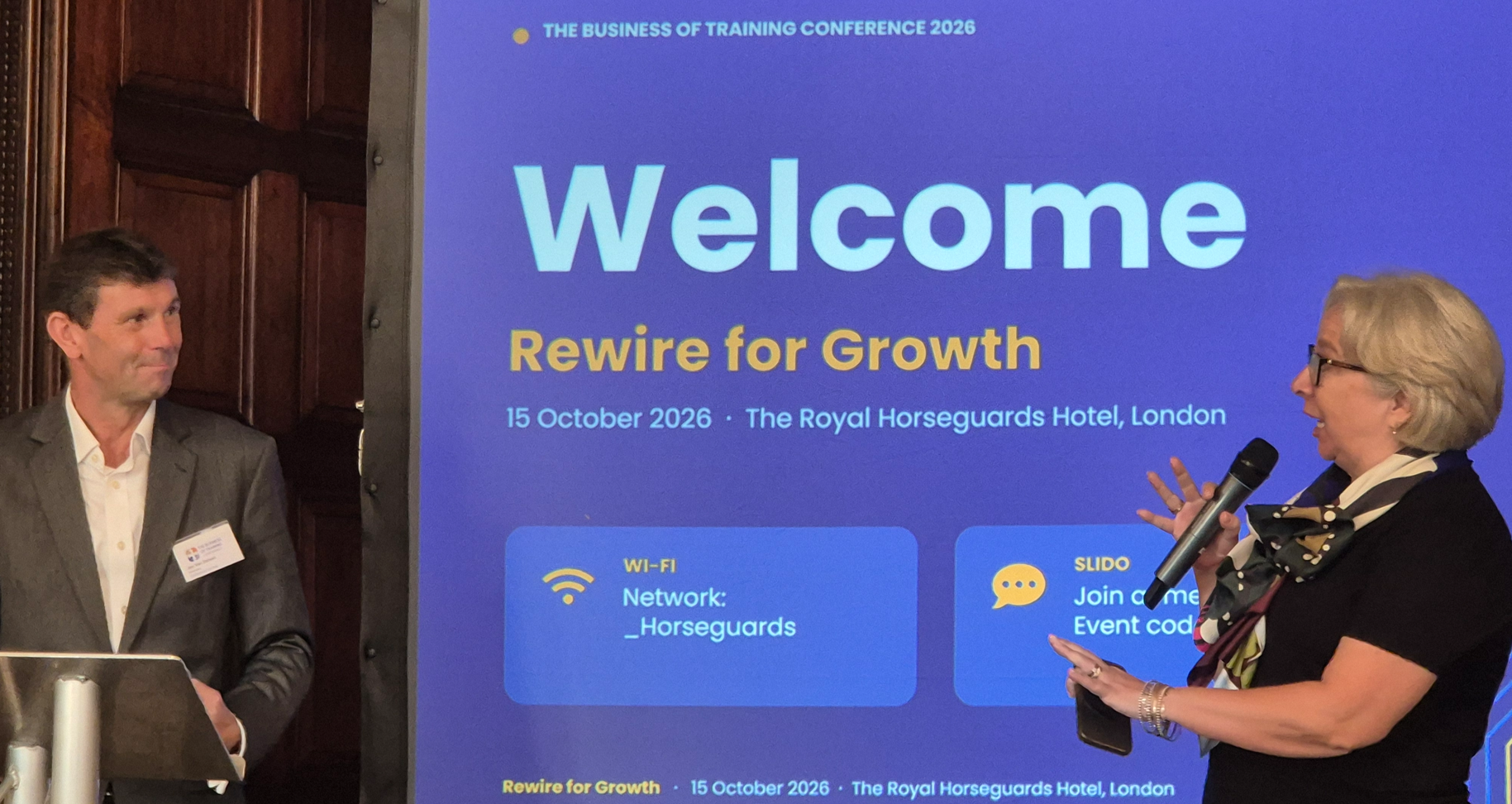
The business of training: What gives training providers the right to exist?
AI, changing customer expectations and increasing pressure to demonstrate value are challenging traditional training business models. Reflecting on the Business of Training Conference 2026, Jo Cook explores the importance of understanding customer needs, designing learning for workplace performance and identifying what makes training providers genuinely distinctive in a competitive market. What gives your training business the right to exist? It’s a provocative question, but it’s one that stayed with me after attending the Business of Training Conference in London on…

Stop briefing managers and start developing them
Ben Satchwell argues that “manager activation” fails when treated as a communications task. Talking points distribute messages but don’t build the skill to handle sceptical, unscripted conversations. Adoption is decided in real capability-building discussions. Equip managers through working sessions so that they understand the why and can adapt and feedback. When a capability framework reaches the rollout stage, managers get a pack. Talking points, an FAQ, a slide or two to use in their next team meeting, perhaps a short…

Before it becomes training: What searches reveal about the language L&D should use
A new quarterly column explores what training demand can reveal about the challenges organisations are trying to solve. In this first instalment, Dr Peter Evans examines how search behaviour can help L&D translate business problems into stronger proposals, better evidence and more persuasive conversations with the people who own outcomes. When TJ asked L&D professionals what stops them turning evidence into action, the most common answer was access to the people who own outcomes, ahead of both tools and time.…

L&D was not built for this speed of change
Traditional learning models struggle when roles, knowledge and context shift faster than training can keep up. Dr. Ravinder Tulsiani argues for a two-layer capability model combining structured preparation with real-time support, helping organisations strengthen decision-making, reduce costly errors and position L&D for improved performance rather than content delivery and completion. Learning and development was not designed for continuous, high-velocity change. It was built for environments where roles were stable, knowledge had a longer shelf life and change was episodic, not…

Stuck in the middle and never trained for it – the recognition challenge facing today’s managers
Joanne Werker discusses how the manager’s job keeps expanding, and why businesses need to stop treating recognition as something people either have a knack for or don’t. It’s beyond time to start treating it as a core management competency that can, and should be learned, not just left to chance. There are 8.4 million managers in the UK, roughly one in four of everyone in work, each holding the day-to-day experience of virtually every employee in Britain in their hands…

Mirror mindset meets the overthinking brain: Turning self-awareness into mental clarity
Referencing two Make Your Brain Work podcast episodes, Amy Brann explores why overthinking thrives when self-reflection becomes judgement. Learn how to spot rumination loops, use body-based awareness, ask grounding questions, and journal with purpose. With self-compassion and psychologically safe feedback, learners can turn noisy minds into useful insight and learning. Overthinking is one of the most common challenges raised in coaching sessions, classrooms and workplaces alike. People describe busy minds that replay conversations, second-guess decisions and spiral late at night.…

The high-risk consequences of underprepared managers
Changing employment rules, rising workplace conflicts and easy access to AI-generated advice are putting managers under growing pressure. Nick McClelland argues that organisations must move beyond compliance-led training and give managers the confidence, judgement and practical conversation skills needed to resolve issues early, fairly and effectively before they escalate further. In 2026, my conversations have been dominated by one theme: manager and leader capability. Not as a general development aspiration, but as a pressing operational and people risk concern. The…

Why businesses need a joined-up approach to risk and compliance
A connected governance, risk and compliance platform can help organisations spot threats earlier, reduce silos and make audits less painful. Prem Chaurasiya explains how bringing risk data, workflows and reporting together can move teams from reactive firefighting towards more proactive, resilient and confident decision-making across the business as risks evolve. Every business, regardless of size or sector, is vulnerable to risk. It can be a vendor that doesn’t deliver, a data breach that surprises everyone or a compliance requirement that…

Beyond the prompt: What L&D teams should consider when implementing AI
L&D teams may be fluent in many AI tools, but true readiness requires more than adoption. Kristin Delgado explains why measuring human factors such as learning agility, critical thinking and reliance on AI can help learning leaders close confidence gaps, target support and guide organisations through digital transformation more effectively. When new challenges require an organisation to rethink existing ways of working, upskill staff, and redesign training, learning and development are promptly called to the rescue. As those responsible for…
Want smart, useful L&D insight in your inbox (without the fluff)?
Subscribe to our weekly newsletter for Editor-only commentary, and exclusive insight that isn’t published anywhere else online.
If you want a quick roundup of what matters, fresh ideas you can use, and the best new reads from Training Journal, this is where it lands
It’s free, only takes a minute, and you can unsubscribe any time.
