
Wellbeing & Mental Health

The biggest trends revolutionising workplace well-being in 2024


Is well-being more than just eating right? Wesleigh Roeca tells us about five trends you can’t ignore this year A longer-living population, the emergence of holistic health, a better understanding of how nutrition impacts workplace outcomes and transformative artificial intelligence (AI). These are the key drivers that will revolutionise workplace well-being in 2024. AI promises to dramatically change the way we view employee health. Just as powerful will be the changes that are being made to shift the focus from…

Bringing mental health awareness into workplace learning and development
In the ever-evolving landscape of the working world, prioritising mental well-being is no longer an option but a necessity, says Ravinder Tulsiani In our fast-paced professional world, mental well-being is a critical component of both personal satisfaction and professional success. Learning and development (L&D) programs play a pivotal role in fostering mental health awareness within the workplace, creating an inclusive and supportive environment for all employees. This overview explores how L&D initiatives can effectively integrate mental health into their strategies,…

Towards building an empowering culture of Artificial Intelligence
As we move into the era of AI democratisation, it is crucial to foster a healthy human-AI coexistence as Dr. Laura Aymerich-Franch explores How do we promote an empowering culture of AI within the organization? This article introduces an empowering view of AI that distinguishes fear from risk awareness, and enables assessing risks and opportunities from a balanced, non-emotionally biased approach. When we have an empowered mindset, we see possibilities Guiding employees and organisations to effectively move from a powerless…

Attracting Gen Z
Is safety the new benefit of choice for Generation Z? Richard Stockley discusses ways to engage this vital group It’s no secret that holding on to young talent is becoming increasingly difficult. Many businesses are feeling the pressure. Job vacancies continue to rise whilst progress towards upskilling existing workforces remains slower than industry demand. As a result, employers are finding alternative ways to retain talent. With Gen Z employees expected to make up 27% of the global workforce by 2025,…

Learning from life: what I learnt from swimming in the sea
Michelle Parry-Slater doesn’t like to be cold. So when a friend suggests a dip in the sea she was less than enthusiastic I was born in August, so I blame my summer birth on the fact that I hate the cold. I would be cold if I lived on the sun. I was looking forward to Menopause heating up my stone-cold blood. (It didn’t work, I still hate the cold.) Recently I spent the weekend in Devon with a dear…

Learning from life: what I learnt from having a child move away to university
Michelle Parry-Slater reflects on our lives as parents and asks if L&D do enough to support colleagues in the emotional roller-coaster of parenting For many parents, September marks a month of mixed emotions due to the start of the school year. The joy and heartbreak of your 3-year-old skipping off into nursery school without a second thought for you sobbing quietly in the playground, redundant yet proud. Or the day they go to ‘big school’ primary and are clinging to…

How to build social capital
Sally Tanski explores the importance of leaders’ emotional intelligence in growing social capital If you’re a leader, or work with leaders, this situation may be familiar to you… You find it’s difficult to motivate team members, who seem disengaged and distant – and you realise how little you really know about them as people. Or maybe you’ve been struggling with an issue that seems unsolvable until you talk to a colleague over a cup of coffee, for the first time,…
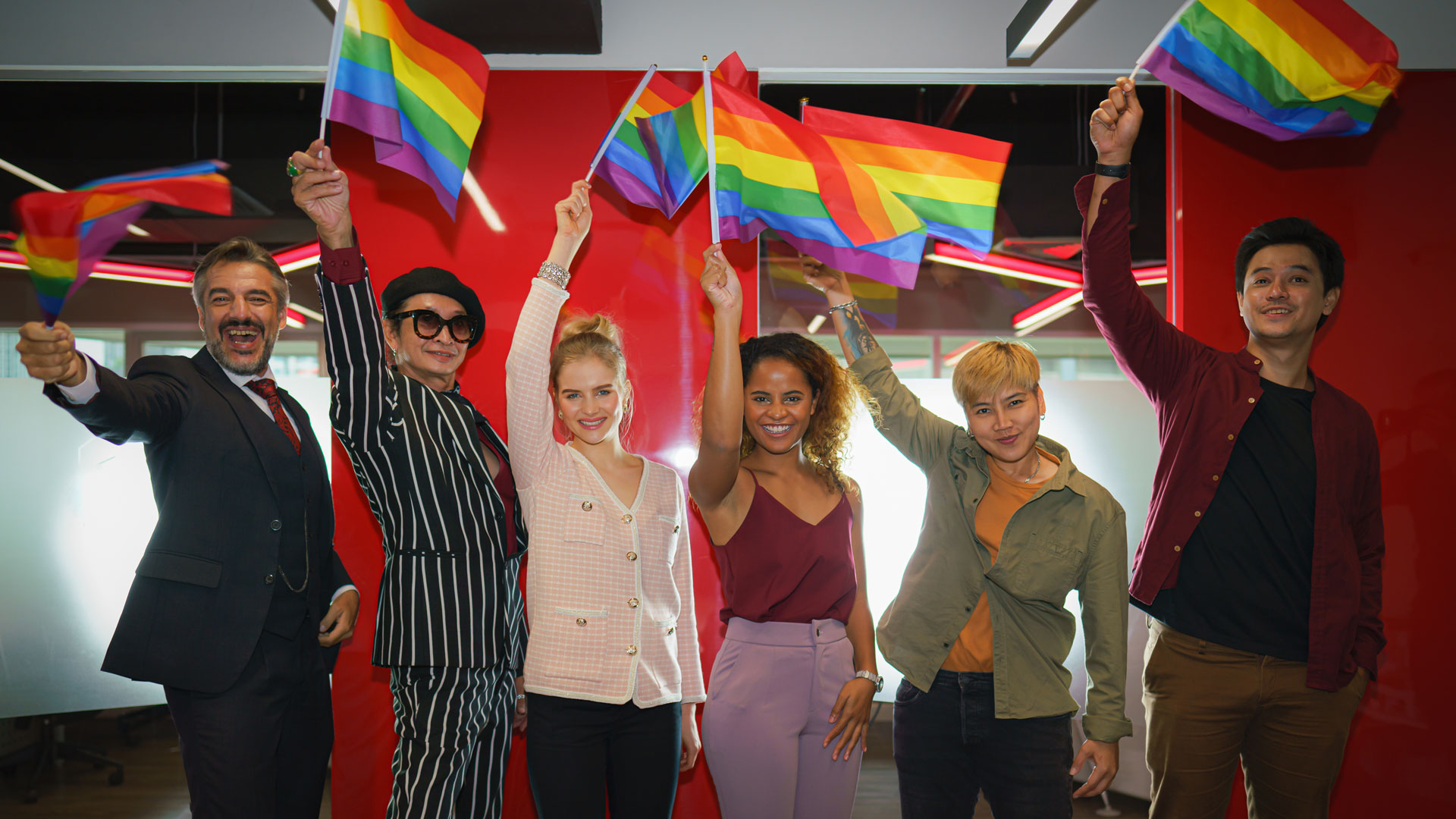
Intergenerational conversations boost LGBTQ+ rights
Anyi Hobson explores why generations working together improve the LGBTQ+ landscape There have undoubtedly been significant gains for LGBTQ+ people and causes over the years. Yet recent events indicate that there is a long way to go. The US Supreme Court has recently ruled against a Colorado State Law which requires businesses to treat same-sex couples equally on the grounds that it violates free speech. Meanwhile, Uganda’s recently passed anti-gay law (which comes with the potential of a death sentence),…

Exploring people potential
This month Sue Stockdale looks at a common concern for many people – how to tackle difficult conversations with confidence One of the most frequent coaching topics that is discussed is how to handle difficult conversations. And whilst they might be tough, people should not shy away from tackling them in the workplace. One of the things that can make conversations seem difficult is the uncertainty around what might happen. People tend to second guess how another person might respond,…

How managers can support workers with mental health problems
Spotting the early signs of mental health issues in employees is vital to ensure recovery and business success. Here Carl Jones looks at the problem and offers advice on helping people recover Society has changed rapidly in the last 20 years. Workplaces that once commanded people’s attention from 9 to 5, five days a week are now a distant memory. The pressure of modern-day living has increased due in no small part by instant access to information via the internet…
Want smart, useful L&D insight in your inbox (without the fluff)?
Subscribe to our weekly newsletter for Editor-only commentary, and exclusive insight that isn’t published anywhere else online.
If you want a quick roundup of what matters, fresh ideas you can use, and the best new reads from Training Journal, this is where it lands
It’s free, only takes a minute, and you can unsubscribe any time.
