People Managers

From unburdening the brain to bouncing back: Rethinking stress and resilience at work


Design behaviour, don’t demand willpower: this article draws on Make Your Brain Work episodes with Amy Brann to explain why change snaps back to old habits. Learn how biology drives ‘resistance’, why environments beat motivation, and how L&D can use cues, if–then plans, and identity language to make change stick. Stress and resilience are often discussed as separate challenges in the workplace: one to be reduced, the other to be strengthened. Yet neuroscience tells a more integrated story. A brain…
John Adair’s three circles still shape better leadership
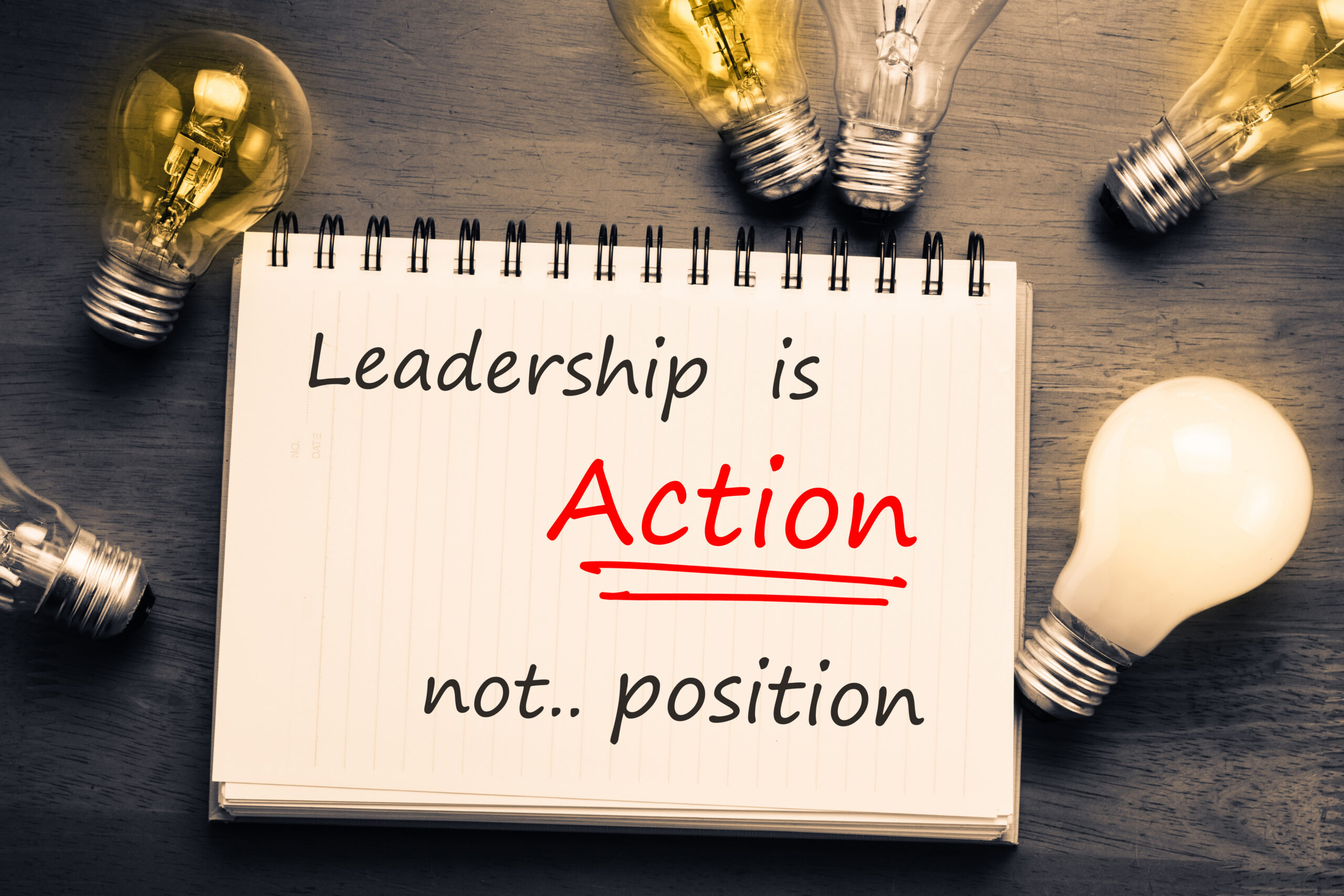
A timeless framework for modern challenges, Action-Centred Leadership still offers leaders a clear way to balance results, relationships and individual needs under intense modern pressure. Steve Macaulay shows how John Adair’s enduring three-circle model remains a practical diagnostic and leadership tool for today’s complex organisational realities, no matter your seniority. Action-Centred Leadership is a common starting point in the leadership L&D toolkit. Its creator, John Adair, passed away last year, yet he leaves behind a lasting legacy of a powerful…
AI productivity is rising. Organisational performance needs to catch up
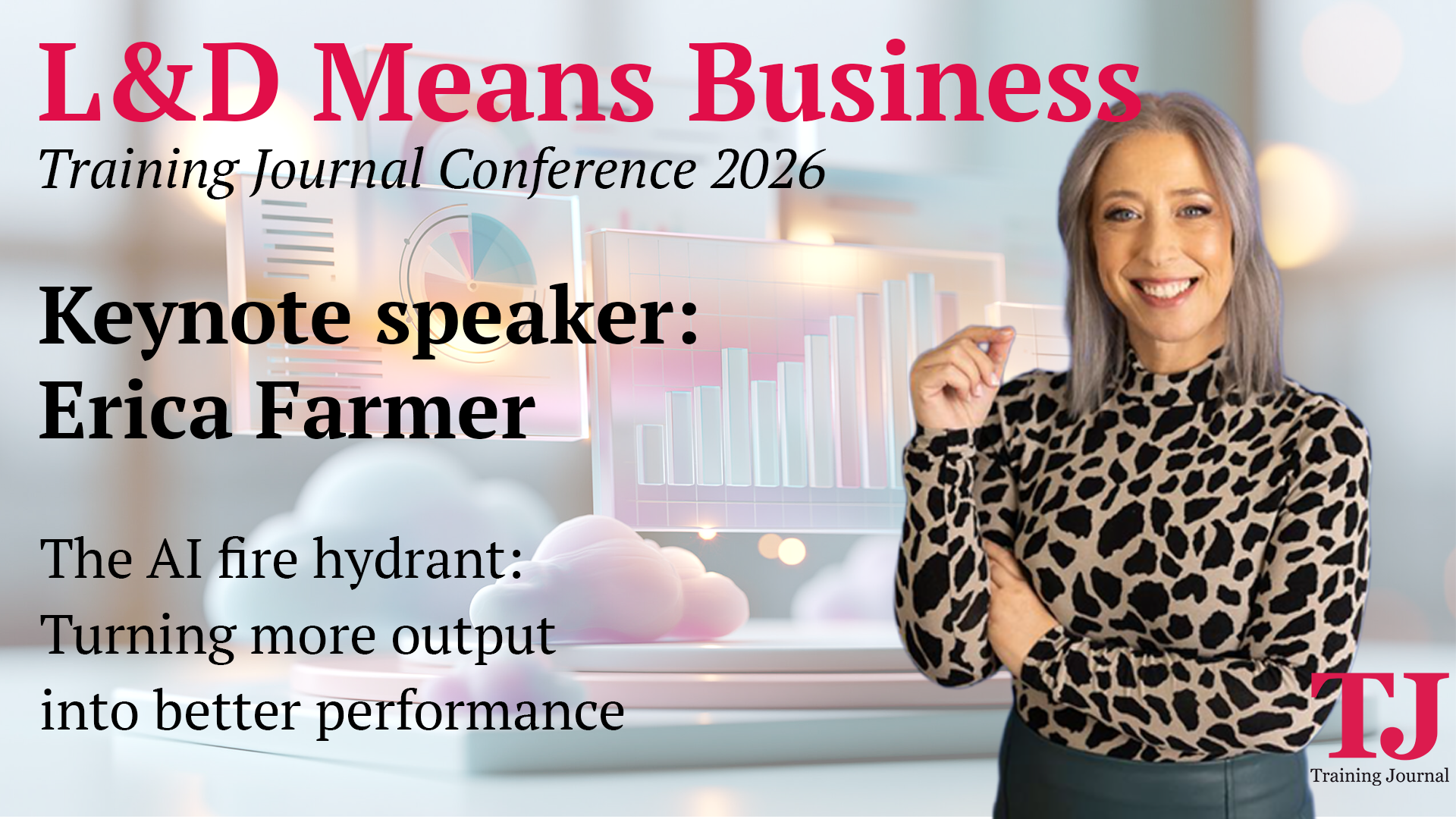
Tickets are now open for TJ Conference 2026: L&D Means Business, with Erica Farmer announced as keynote speaker. Her session, The AI fire hydrant: Turning more output into better performance, explores how L&D can help organisations turn AI productivity gains into better work, stronger decisions and improved performance at scale. Tickets are now open for TJ Conference 2026: L&D Means Business, taking place on Monday 21 September at the Royal Society of Chemistry in London. This year’s conference will explore…

Striking the right balance between productivity and workplace wellbeing
Build sustainable productivity by redesigning work around focus, recovery and realistic capacity. Aleks Szymanski explains how leaders can reduce overload, encourage breaks, set clear expectations, use technology thoughtfully and model healthy boundaries, creating cultures where wellbeing strengthens performance, engagement, retention and resilience rather than competing with them at work daily. For years, productivity and wellbeing were framed as competing priorities. Push harder, the thinking went, and performance would rise, even if people paid the price. Today, that approach is proving…

Beyond the management ladder: Why Gen Z is redefining career success
Rethink training, leadership and career progression to retain Gen Z talent. Tara Ceranic Salinas explains why younger workers value time, flexibility, mastery and meaningful impact over traditional management titles, and how organisations can create learning cultures that build skills, recognise strengths and support sustainable growth at work for everyone involved. Every generation has their own ideas about what work should look like. Climbing the corporate ladder and reaching the pinnacles of management used to be the aim, but Gen Z…
From mistakes to momentum: Building a company culture that learns
Organisations unlock innovation when they stop punishing mistakes and start learning from them, reasons Paul Sloane. From Post-it Notes to Slack and vacuum cleaners, failure can spark breakthroughs. Paul explores how psychological safety, intelligent experimentation and honest post-mortems help teams take smarter risks, adapt faster and build lasting competitive advantage. In a traditional corporate landscape, failure is disdained. However, forward-thinking organisations recognise that innovation is a numbers game. If you aren’t failing, you aren’t taking the risks necessary to stay…
Why leadership development doesn’t stop at a one-off workshop
As AI reshapes work, Shannon Alter writes that L&D teams must stop treating leadership confidence, presence and emotional intelligence as optional. Future-ready organisations will be those that build adaptable, human-centred leaders through deliberate practice, feedback and support before the highest-stakes moments arrive, retention falters and top talent starts looking elsewhere. Learning and development professionals are navigating a disconnect right now: while AI adoption accelerates across organisations at unprecedented speed, Gallup reports that fewer than 50% of employees participated in professional…
Let Them theory: The case for trusting people to try, fail and grow
As Let Them theory gains traction, Steve Macaulay explores what it really asks of managers. Empowerment can reduce micromanagement and build trust, but only when expectations are clear, individual development is supported and communication stays open. Letting go works best when leaders stay purposeful, involved and committed to team growth. Let Them theory has become an important talking point amongst managers and management theorists. A book on the subject has been flying off the shelves: some 8 million copies have…
From intention to action: Designing behaviour that makes change stick
Don’t demand just willpower! This article draws on two Make Your Brain Work podcast episodes with Amy Brann and Dr Jessie Gulsin to explain why change snaps back to old habits. Learn how biology drives ‘resistance’, why environments beat motivation, and how L&D can use cues to make change stick. Most organisational change programmes fail not because people are lazy or resistant, but because they are human. Despite good intentions, behaviour often snaps back to familiar patterns, leaving leaders frustrated…

Good leaders don’t avoid office politics
Leaders who want to drive effective change cannot afford to ignore office politics, much as they might want to. Far from being manipulative, political skill helps people build trust, read situations, and influence organisational outcomes constructively. Steve Macaulay and David Buchanan explain why it should be a core leadership capability. For busy people, “office politics” can often feel like a barrier to skill and culture-building and just getting things done. However, developing political skill is not about encouraging scheming, it…
Want smart, useful L&D insight in your inbox (without the fluff)?
Subscribe to our weekly newsletter for Editor-only commentary, and exclusive insight that isn’t published anywhere else online.
If you want a quick roundup of what matters, fresh ideas you can use, and the best new reads from Training Journal, this is where it lands
It’s free, only takes a minute, and you can unsubscribe any time.
