
New to L&D

My whole self – creating psychologically safe cultures at work


Simon Blake on the importance of feeling valued and empowered to be our ‘whole self’ at work When I feel safe at work, I am me without worrying about whether I am being judged. And when I am confident about that, I can be innovative. I push and stretch myself, and explore new ideas because my focus is on my work, not on worrying about what other people think of me. This extract is not verbatim, but captures the essence of the…
TJ podcast: AI and L&D: enhancing human capability – episode 314
This episode gathers insights from L&D leaders on AI’s transformative role in training and performance. It explores AI literacy, the evaluation of tools, and the ethical use of technology, emphasising AI as both a tool and teammate. The discussion underscores the importance of human insight in leveraging AI to enhance learning outcomes. Speakers include: Trish UhlPaul WestlakeCathy HoyGinette TessierErica FarmerStella CollinsLiz NaylorEmma WeberMatthew BorgBinnaz CubukcuViddhi DevaniStella LeeBob MosherLior Locher Links from the discussion: Editor’s blog – don’t rush to…

Shaping the future of work with artificial intelligence
AI in the workplace: beware the risks and seize the opportunities, says Ravinder Tulsiani While artificial intelligence (AI) presents organisations with the promise of unparalleled efficiencies and capabilities, it also presents some complex challenges and risks. This positions AI as both a beacon of innovation and a field filled with ethical dilemmas including bias, privacy concerns, job displacement and the dangers of overreliance on digital systems. AI offers immense opportunities for enhancing efficiency, spurring innovation and fostering business growth …

Bridging the gap with killer communications: a dive into why you should be ‘selling’ your learning offer
Kerry Jary looks at why you can build it, but they might not come and the importance of more than just creating great training In today’s dynamic business world, the phrase “knowledge is power” couldn’t be more relevant. As businesses strive to stay ahead of the curve, investing in employee learning has emerged as a critical strategy for success. But here’s the kicker: it’s not just about offering learning opportunities; it’s about selling them to your employees. First off, let’s…

Online course creation top tips: are you using quizzes properly?
Ginette Tessier shows you how to make your quizzes count Quizzing functionality is often highlighted as a key benefit of online course hosting solutions. The ability to offer a quiz at the end of every lesson is assumed to be a good way to ensure learning transfer has taken place. A creator needs to first understand what role the quiz is playing Many new online course instructors remember quizzes from either an academic environment or from a corporate learning experience…

Learning from life: what I learnt from marketing my business
Michelle Parry-Slater is always Open To Learning, Open To Reflection and Open To Sharing, but this month she looks at being Open To Work I changed my LinkedIn profile to show the #Open To Work banner on my profile photo. I did this as an experiment for this blog. I run my own business – I am always open to work, but does publicly saying so make any difference? I am no algorithm expert so I don’t know what that…

Neurodiversity Celebration Week sheds light on neuro-inclusive workplaces
Holly Biggs looks at research that reminds us to foster an improved workplace for our neurodivergent employees for humanitarian reasons, but also because it’s good business In a world that thrives on diversity, recognising and celebrating differences has become a cornerstone of progressive societies. One such celebration that takes centre stage is Neurodiversity Celebration Week, 18-24 March 2024. Society often measures success by conformity; Neurodiversity Celebration Week encourages us to embrace and celebrate neuro-different individuals for the rich tapestry of…
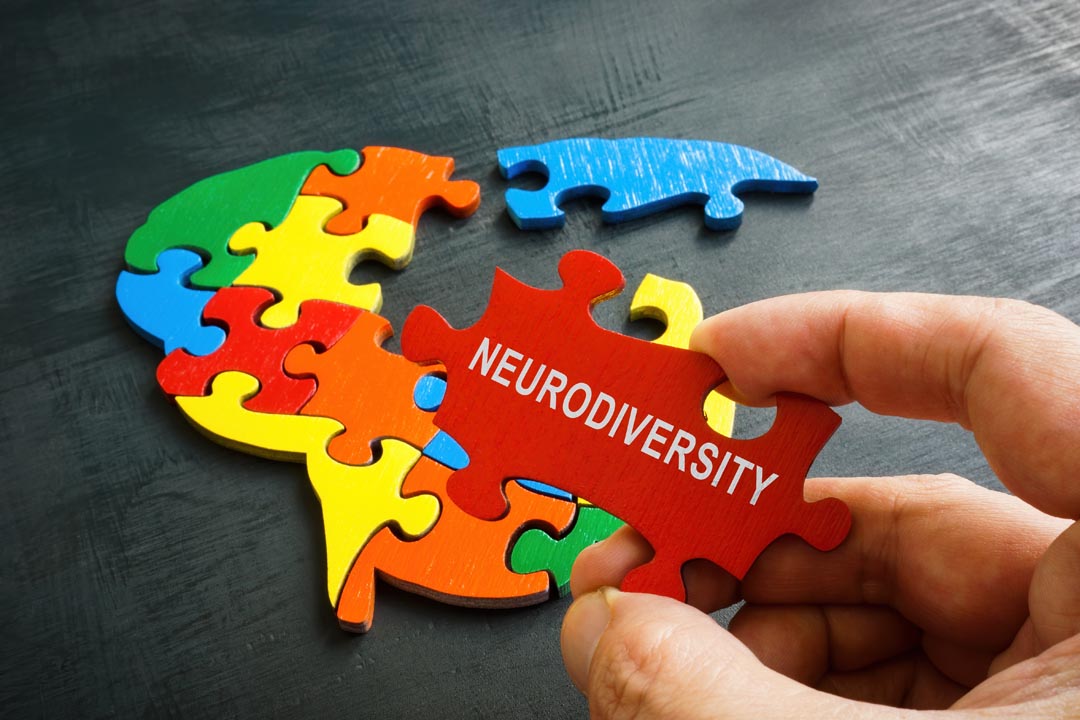
What can employers do to create more neuroinclusive workplaces?
Leanne Maskell highlights that we want a neurodiverse workforce and shares practical ideas for how to manage differences Although 55% of organisations believe they have a neuroinclusive culture, research has shown the opposite. Only 37% of neurodivergent employees polled felt their employer offered meaningful support, and only 52% felt able to talk about neurodiversity at work. 1 in 5 have experienced harassment or discrimination at work. We are all neurodiverse, as we all think differently from one another, so neuroinclusion…
Designing conferences that foster innovation, collaboration, and real impact
Ed Bernacki rethinks the design of conferences and the skills participants need to make the most of them. Oh, and tells off the TJ Editor… Following the World of Learning 2024 London summit, Training Journal asked people on social media, “What is the key learning point from the last event you attended?” It’s an interesting question. Yet, is it the right question? The reason people take notes and never look at them is a result of their lack of skills…

Remaining relevant in the transformational juggernaut of AI – part two
Conrad Gottfredson and Sara Chizzo continue part two of their feature to focus on the need for different ways to develop people so that L&D can compete with AI solutions In part one: Conrad and Sara delved into the transformative impact of technology and AI on the workforce and organisational learning, emphasising the critical need for businesses to adapt their training strategies to secure their value. Stopping work to learn is the most significant cost in every organisation’s training investment…
Want smart, useful L&D insight in your inbox (without the fluff)?
Subscribe to our weekly newsletter for Editor-only commentary, and exclusive insight that isn’t published anywhere else online.
If you want a quick roundup of what matters, fresh ideas you can use, and the best new reads from Training Journal, this is where it lands
It’s free, only takes a minute, and you can unsubscribe any time.
