
Professional Development

Learning from life: What I learnt from parenting puppies


Michelle Parry-Slater shares puppy cuteness overload and also looks at the importance of knowing your audience, and guest blogger Julie Drybrough adds her experience about letting go A little over two years ago we welcomed two puppies into our family, Georgie and Elsie. Chaos. Cuddles. Cute. A little under 18 years ago we welcomed six puppies into our lives as I bred my cocker spaniel, PIxie, to donate her litter to Hearing Dogs for Deaf People as they started their…

Are you busy being busy?
Philippa Spratt examines the modern phenomenon of ‘busyness’ and offers practical strategies for transforming it into meaningful productivity These days most people seem, or like, to think they’re busy. You hear it all the time but what’s the net result of all this busyness? Being busy doesn’t necessarily equate to being productive or adding value. It’s fine to be busy but it’s outcomes that matter. Be clear about the tasks you are responsible for that will move the dial As…

The Business of Training Conference 2024
We’re very proud to announce that Training Journal is the official media partner for The Business of Training Conference 2024 and the Blended Stories webinars this year. This partnership strengthens the mission to build stronger connections within the training provider community. Training Journal is the leading online magazine for the training and L&D industry. Aimed at everyone from the head of corporate learning and development to the independent trainer, Training Journal and their website www.trainingjournal.com provides the industry with a huge resource of information. Training Journal has…

How we got here – career starts in L&D
Anna Svitak and Lior Locher interview each other and share how they developed their careers as learning professionals About Anna Svitak I’m an organisational psychologist and working as a Learning Advisor for Shell as part of its graduate scheme. I’m passionate about creating environments where people are able to thrive and perform. In my free time, I’m a local hub catalyst for the L&D Shakers in Amsterdam bringing people together face-to-face. These are my personal views as a Learning Advisor…

AI for the Average Joe – Experimenting with GPTs
This interview with Editor Jo Cook on the AI for the Average Joe video podcast is for anyone interested in the intersection of AI, L&D, and the broader challenges of adapting to technological change Summary by ChatGPT: In this episode of AI for the Average Joe, hosts Erica and Haley are thrilled to feature Jo Cook as their expert guest. Jo, adorned humorously with a cap at the start, delves into her role as the editor of Training Journal and…

Learning from life: what I learnt from marketing my business
Michelle Parry-Slater is always Open To Learning, Open To Reflection and Open To Sharing, but this month she looks at being Open To Work I changed my LinkedIn profile to show the #Open To Work banner on my profile photo. I did this as an experiment for this blog. I run my own business – I am always open to work, but does publicly saying so make any difference? I am no algorithm expert so I don’t know what that…
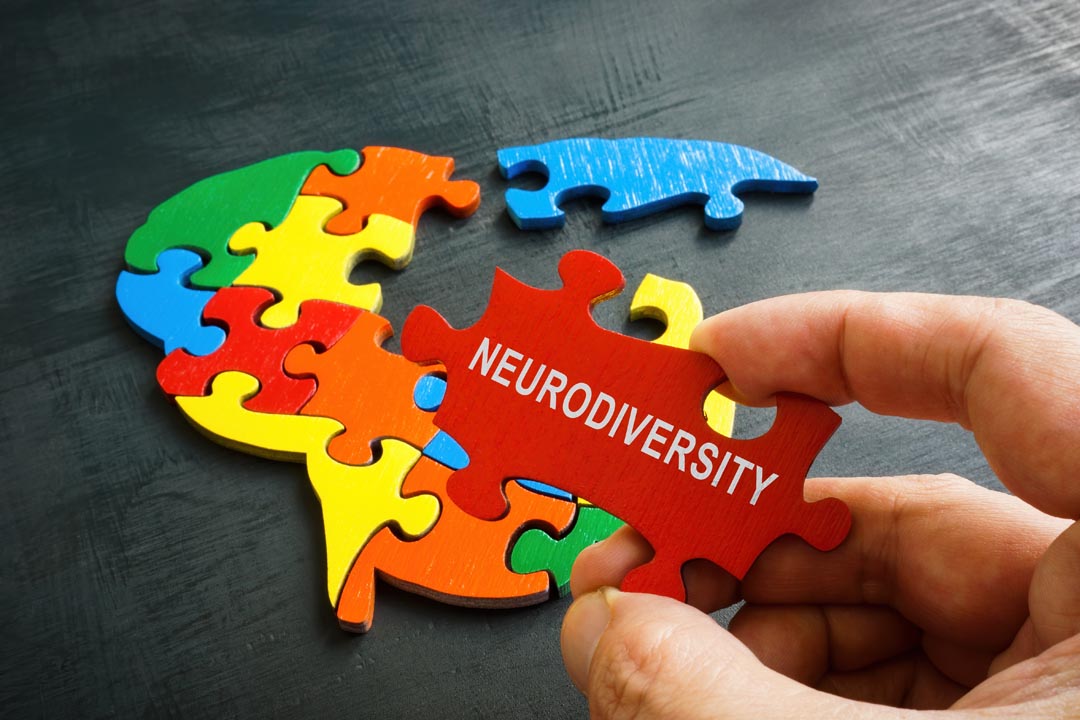
What can employers do to create more neuroinclusive workplaces?
Leanne Maskell highlights that we want a neurodiverse workforce and shares practical ideas for how to manage differences Although 55% of organisations believe they have a neuroinclusive culture, research has shown the opposite. Only 37% of neurodivergent employees polled felt their employer offered meaningful support, and only 52% felt able to talk about neurodiversity at work. 1 in 5 have experienced harassment or discrimination at work. We are all neurodiverse, as we all think differently from one another, so neuroinclusion…
Designing conferences that foster innovation, collaboration, and real impact
Ed Bernacki rethinks the design of conferences and the skills participants need to make the most of them. Oh, and tells off the TJ Editor… Following the World of Learning 2024 London summit, Training Journal asked people on social media, “What is the key learning point from the last event you attended?” It’s an interesting question. Yet, is it the right question? The reason people take notes and never look at them is a result of their lack of skills…
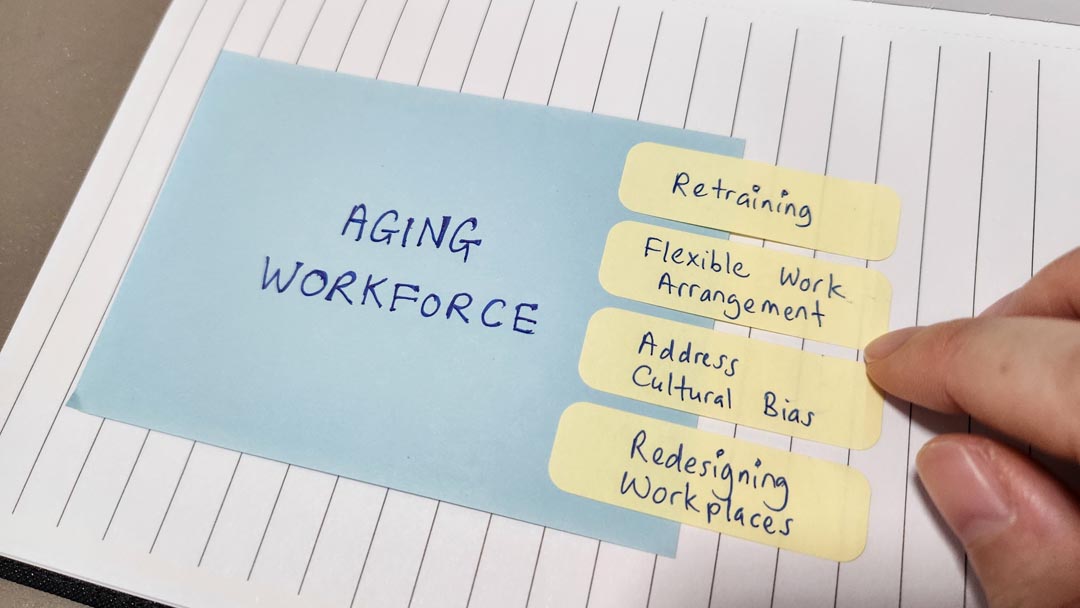
Years older, or years better?
David Buchanan and Steve Macaulay explore the perceived challenges and the positive advantages to a workforce with a variety of age ranges The changing demographics of an ageing population and declining birth rates pose a pressing people management challenge. To address skill and labour shortages, employers must actively recruit, retain and develop older workers. Adaptation requires a targeted approach to HR policies and L&D agendas, recognising and leveraging the valuable experience older workers bring to the workforce. How old is…

Embracing your creative potential: a guide inspired by Cat Hase’s story
In this feature as part of International Women’s Day, Cat Hase explores what creativity can bring to your work and personal development Would you call yourself creative? It’s a question that, unfortunately, far too many people answer with a “no.” But let’s pause and ask ourselves: What is creativity? Creativity is the ability to transcend traditional ideas, rules, patterns, and to create meaningful new ideas, forms, methods, interpretations, etc. It’s about seeing what’s inside us and harnessing it as it’s…
Want smart, useful L&D insight in your inbox (without the fluff)?
Subscribe to our weekly newsletter for Editor-only commentary, and exclusive insight that isn’t published anywhere else online.
If you want a quick roundup of what matters, fresh ideas you can use, and the best new reads from Training Journal, this is where it lands
It’s free, only takes a minute, and you can unsubscribe any time.
