
Artificial Intelligence (AI)

Why AI-native learning is the next big shift for L&D


Nicola Cox explores why workplace learning needs to move beyond AI add-ons and build intelligent ecosystems that connect skills, content and performance. As MCP servers and agentic AI reshape daily workflows, L&D leaders have a chance to make learning more proactive, responsible and embedded in the tools people already use. For years, learning technology has been defined by the next big feature, and lately, almost all of them have been AI. Smart search here, auto-tagging there, a new assistant tool…

When AI does the first draft, who learns what good looks like?
AI is erasing the practice layer of everyday work, and L&D must rebuild it. Dmitry Zaytsev says draft writing, rough analysis and early recommendations were safe spaces for learning judgement. As machines take those tasks, organisations need structured practice, decision reviews and feedback in the flow of work again, deliberately. Artificial intelligence is changing the way people work, but it is also changing the way people learn at work. For learning and development teams, the next challenge may not be…

Generative AI rollout in government: More than a software skills challenge
Former senior civil servants Kate Sturdy and Clare Dobson share lessons from training policymakers as AI moves from pilots to everyday use. They explain why prompting is a discipline, critical thinking prevents hallucinations, and the smartest officials know when to think first and use AI second for better public outcomes. Government use of AI tools is growing. Last year, a government study trialling the use of generative AI with 20,000 civil servants concluded that that the potential time savings were…

The Platinum Workforce – book review
In The Platinum Workforce, futurist Trond Arne Undheim maps how AI, IoT and biotech could reshape jobs and spawn new roles. Catherine Dock reviews the book’s practical role frameworks, credible case studies and warnings about disruption for white-collar work, and asks what skills we should learn, teach and question next. Book: The Platinum WorkforceAuthor: Trond Arne Undheim As someone who has run Technology Learning & Development organisations, I was excited to read this book. I’m also as the parent of…

The generation we can’t afford to lose
With youth unemployment at its highest since 2014 and junior roles drawing 100+ applicants, employers can’t afford to pass on. Giles Smith argues we’re debating costs while the education-to-work system fails a generation. The answer is redesigning organisations for an AI-shaped future, with creativity and junior talent at the centre. Last week I attended an event where some industry leaders argued against hiring young people. I found that hard to understand, given the talent and potential we have seen through…

The leaking talent pipeline: How AI is quietly undermining leadership succession
AI is speeding up work while quietly eroding the early-career experiences that shape future leaders. As entry-level roles decline, judgement, emotional intelligence and organisational fluency have fewer places to form. Leena Rinne argues succession strength must be measured in capability, then rebuilt through deliberate practice, feedback and engineered development pathways. There’s a shift happening inside organisations right now that doesn’t show up on any succession plan. As AI absorbs more entry-level and early-career work, organisations are gaining speed but losing…
Training cuts are widening the AI skills gap for jobseekers and workers
The AI boom is raising the bar for entry-level work while many employers cut their training offerings. Jonny Phillips makes the case for a national skills guarantee so people can build baseline AI capability and confidence. Practical, relevant support helps candidates apply sooner, interview better, and avoid being left behind. The job market is a vast and complex world that can often be intimidating for those outside of it. The recent AI boom has only made it more challenging for…

TJ podcast: The rise of the supermanager: Why AI transformation still needs human leadership – episode 330
Julia Bersin joins Jo Cook to explore the rise of the supermanager and why AI transformation still depends on human leadership. As organisations rethink management layers, managers remain critical to trust, experimentation and adoption, helping teams turn AI investment into meaningful change rather than another tool-led initiative with limited impact. Key takeaways: Created by ChatpGPT Podcast summary: Created by ChatpGPT Jo Cook speaks with Julia Bersin, Director of Research at The Josh Bersin Company, about the changing role of managers…
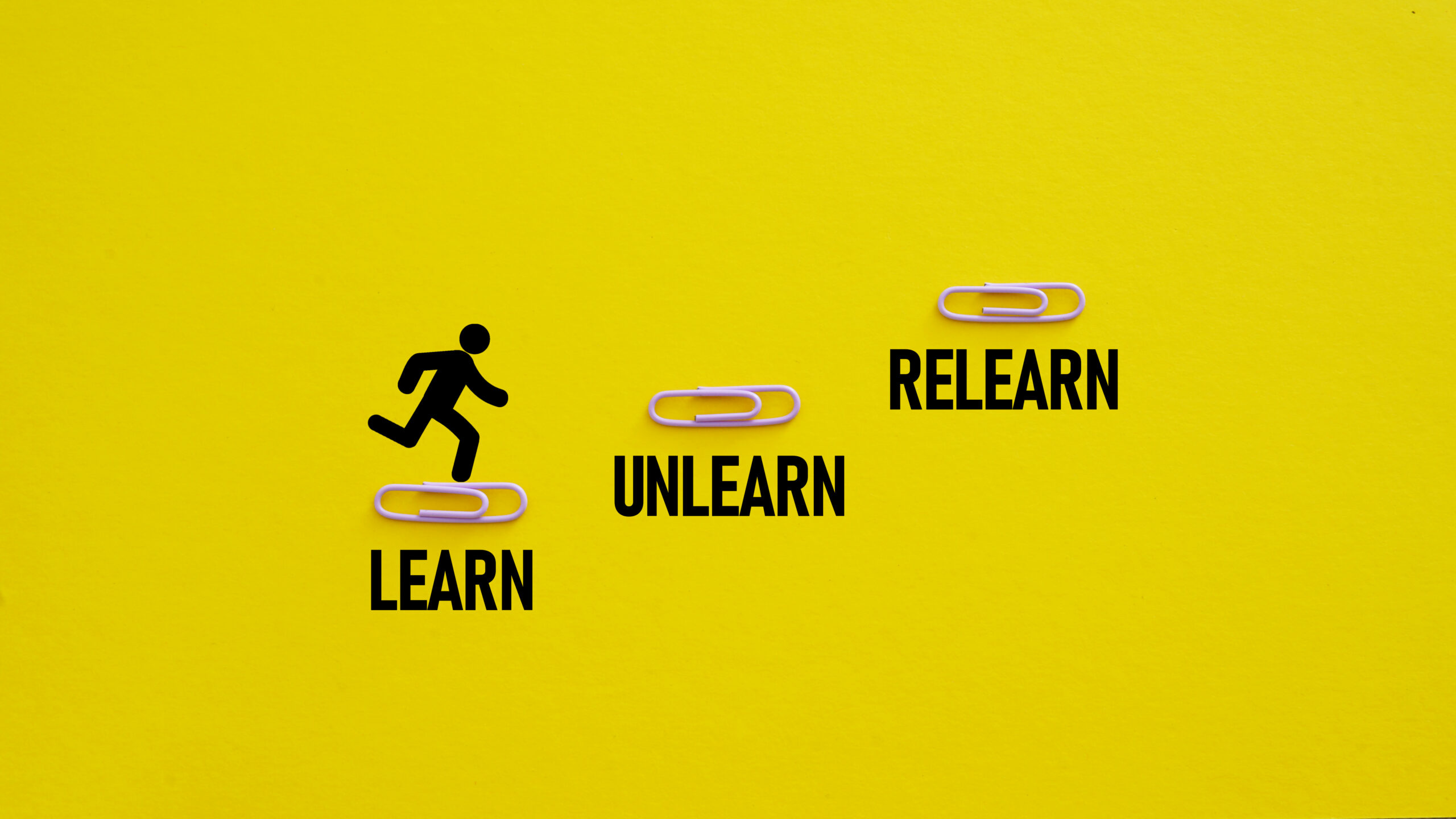
L&D in the age of reinvention: Four imperatives for the CLO
Chief Learning Officers are being asked to reinvent organisations, while AI rewires jobs and careers. The route is unlearning: letting go of ladders, fixed roles and ‘training as an event’. Dr Helmut Schuster and Dr David Oxley set out four imperatives for CLOs to build experimentation, trust, AI and capability. We are entering an era in which organisational reinvention is not optional. It is constant and structural. Artificial intelligence (AI) is reshaping roles and workflows. Career ladders are collapsing into…

From job redesign to work transformation: How organisations can future-proof roles in the age of AI and skills shortages
Technology isn’t the blocker, work design is. Many organisations trap people in low-value tasks while layering AI onto old workflows. Johnson Wong argues leaders must shift from updating job descriptions to transforming how work flows at task level, prioritising high-impact roles, and investing in skills to unlock productivity and engagement. Across industries, leaders are confronting the same paradox: technology is advancing faster than organisations can adapt, yet productivity growth remains stubbornly slow. AI tools are proliferating, automation investments are rising,…
Want smart, useful L&D insight in your inbox (without the fluff)?
Subscribe to our weekly newsletter for Editor-only commentary, and exclusive insight that isn’t published anywhere else online.
If you want a quick roundup of what matters, fresh ideas you can use, and the best new reads from Training Journal, this is where it lands
It’s free, only takes a minute, and you can unsubscribe any time.
