
New to L&D
John Adair’s three circles still shape better leadership


A timeless framework for modern challenges, Action-Centred Leadership still offers leaders a clear way to balance results, relationships and individual needs under intense modern pressure. Steve Macaulay shows how John Adair’s enduring three-circle model remains a practical diagnostic and leadership tool for today’s complex organisational realities, no matter your seniority. Action-Centred Leadership is a common starting point in the leadership L&D toolkit. Its creator, John Adair, passed away last year, yet he leaves behind a lasting legacy of a powerful…
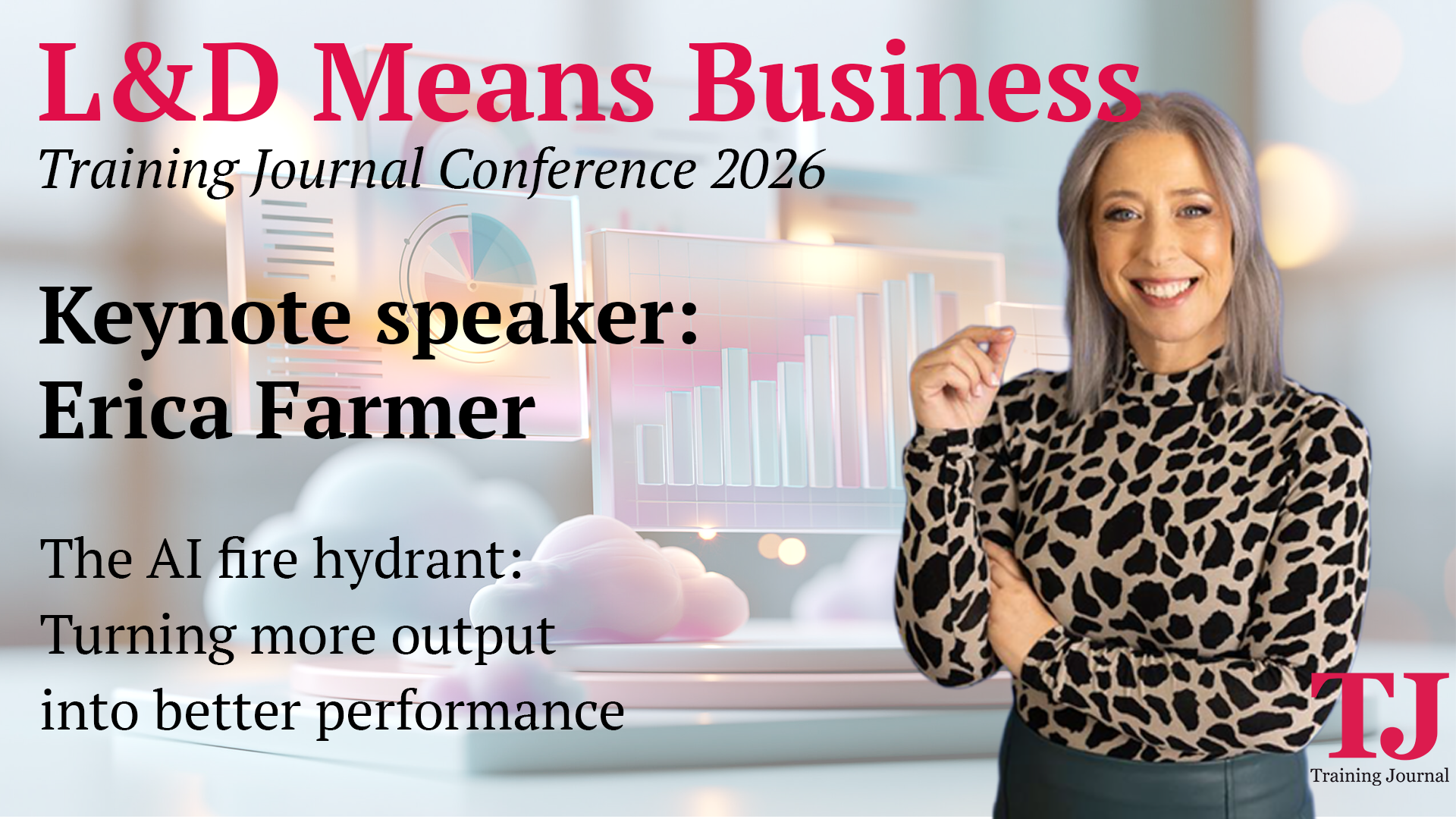
AI productivity is rising. Organisational performance needs to catch up
Tickets are now open for TJ Conference 2026: L&D Means Business, with Erica Farmer announced as keynote speaker. Her session, The AI fire hydrant: Turning more output into better performance, explores how L&D can help organisations turn AI productivity gains into better work, stronger decisions and improved performance at scale. Tickets are now open for TJ Conference 2026: L&D Means Business, taking place on Monday 21 September at the Royal Society of Chemistry in London. This year’s conference will explore…

Beyond the management ladder: Why Gen Z is redefining career success
Rethink training, leadership and career progression to retain Gen Z talent. Tara Ceranic Salinas explains why younger workers value time, flexibility, mastery and meaningful impact over traditional management titles, and how organisations can create learning cultures that build skills, recognise strengths and support sustainable growth at work for everyone involved. Every generation has their own ideas about what work should look like. Climbing the corporate ladder and reaching the pinnacles of management used to be the aim, but Gen Z…
TJ podcast: Building L&D influence in a changing world, with Don Taylor – episode 331
Showing value, building influence and developing the skills to operate strategically are becoming increasingly urgent priorities for L&D. In this TJ podcast conversation, Jo Cook and Don Taylor explore AI-driven uncertainty, entrepreneurial leadership, changing expectations of the profession, and why relationships, listening and human connection could matter more than ever. Key takeaways: Created by ChatGPT Podcast summary: Created by ChatpGPT Jo Cook is joined by Don Taylor to explore why showing value and building influence have become increasingly urgent for…
From mistakes to momentum: Building a company culture that learns
Organisations unlock innovation when they stop punishing mistakes and start learning from them, reasons Paul Sloane. From Post-it Notes to Slack and vacuum cleaners, failure can spark breakthroughs. Paul explores how psychological safety, intelligent experimentation and honest post-mortems help teams take smarter risks, adapt faster and build lasting competitive advantage. In a traditional corporate landscape, failure is disdained. However, forward-thinking organisations recognise that innovation is a numbers game. If you aren’t failing, you aren’t taking the risks necessary to stay…
Why leadership development doesn’t stop at a one-off workshop
As AI reshapes work, Shannon Alter writes that L&D teams must stop treating leadership confidence, presence and emotional intelligence as optional. Future-ready organisations will be those that build adaptable, human-centred leaders through deliberate practice, feedback and support before the highest-stakes moments arrive, retention falters and top talent starts looking elsewhere. Learning and development professionals are navigating a disconnect right now: while AI adoption accelerates across organisations at unprecedented speed, Gallup reports that fewer than 50% of employees participated in professional…
Let Them theory: The case for trusting people to try, fail and grow
As Let Them theory gains traction, Steve Macaulay explores what it really asks of managers. Empowerment can reduce micromanagement and build trust, but only when expectations are clear, individual development is supported and communication stays open. Letting go works best when leaders stay purposeful, involved and committed to team growth. Let Them theory has become an important talking point amongst managers and management theorists. A book on the subject has been flying off the shelves: some 8 million copies have…

TJ interviews: Mark Travis Rivera about braver workplaces starting with belonging
Belonging takes more than statements and symbolic support. Mark Travis Rivera shares why inclusion must be built through listening, honest conversations and everyday action. This interview explores how leaders can challenge performative allyship, create braver organisations cultures and help people feel recognised, respected and able to do their best work. Mark Travis Rivera is an award-winning creative entrepreneur, CEO and Founder of The Professional Storyteller, and a globally recognised advocate for inclusive workplace culture. Drawing on lived experience as a…

Can AI really resolve workplace conflict?
As AI becomes a coach, scriptwriter and even would-be mediator at work, Phil Floyd explores what this means for people’ trust, authenticity and conflict. He argues that while technology can support difficult conversations, healthy workplace relationships still depend on human skills such as listening, empathy, curiosity and honest face-to-face dialogue. Wouldn’t it be better if work colleagues always said the right thing to each other? When we want to criticise a colleague for their performance, for example, some well-chosen words…

How informal learning historically happened naturally at work
Hybrid work has made informal learning less visible, not less vital. Elyas Coutts explores how proximity once helped new starters absorb tacit knowledge, culture and judgement through everyday interactions. Now, purposeful messaging can crowd out spontaneous moments, leaving junior and mid-level employees with fewer chances to learn and build trust. Historically, most of what employees learnt didn’t just come from the onboarding process or training programmes; it also came from the proximity of being in the office surrounded by senior…
Want smart, useful L&D insight in your inbox (without the fluff)?
Subscribe to our weekly newsletter for Editor-only commentary, and exclusive insight that isn’t published anywhere else online.
If you want a quick roundup of what matters, fresh ideas you can use, and the best new reads from Training Journal, this is where it lands
It’s free, only takes a minute, and you can unsubscribe any time.
