
Independent Professionals

The sound of authority is changing. Are our assumptions keeping pace?


The way we speak can shape how others perceive our intelligence, credibility and leadership potential. But should it? Cath Baxter challenges the everyday assumptions behind accent bias, explores its damaging impact on careers and confidence, and explains why being understood matters far more than sounding like someone else at work. For the first time in more than a decade, the UK is being led by a voice that sounds unmistakably like where it’s from. Prime Minister Andy Burnham’s voice is…

Is it time to rethink how L&D measures AI success?
As AI transforms workplace productivity, traditional measures of learning success risk overlooking a growing skills gap. Dr Gleb Tsipursky explores why time to proficiency should become L&D’s defining AI metric, helping organisations assess independent judgement, preserve essential learning experiences and ensure employees develop expertise rather than increasing dependence on technology. The most urgent AI problem for L&D may be hiding inside a productivity win. When software drafts the routine email, summarises the case, prepares the first analysis and answers the…

Is AI making your organisation’s echo chamber louder?
AI promises smarter decisions, but can it also reinforce the assumptions organisations need to challenge? Jennifer L. Bryan explores why diverse perspectives, psychological safety and better questions matter when adopting AI, and how leaders can prevent powerful technology from turning familiar biases into increasingly convincing answers that nobody dares question. Artificial intelligence is changing how organisations gather information, analyse problems and make decisions. Yet as businesses rush to adopt increasingly powerful AI tools, there is a less obvious organisational risk…
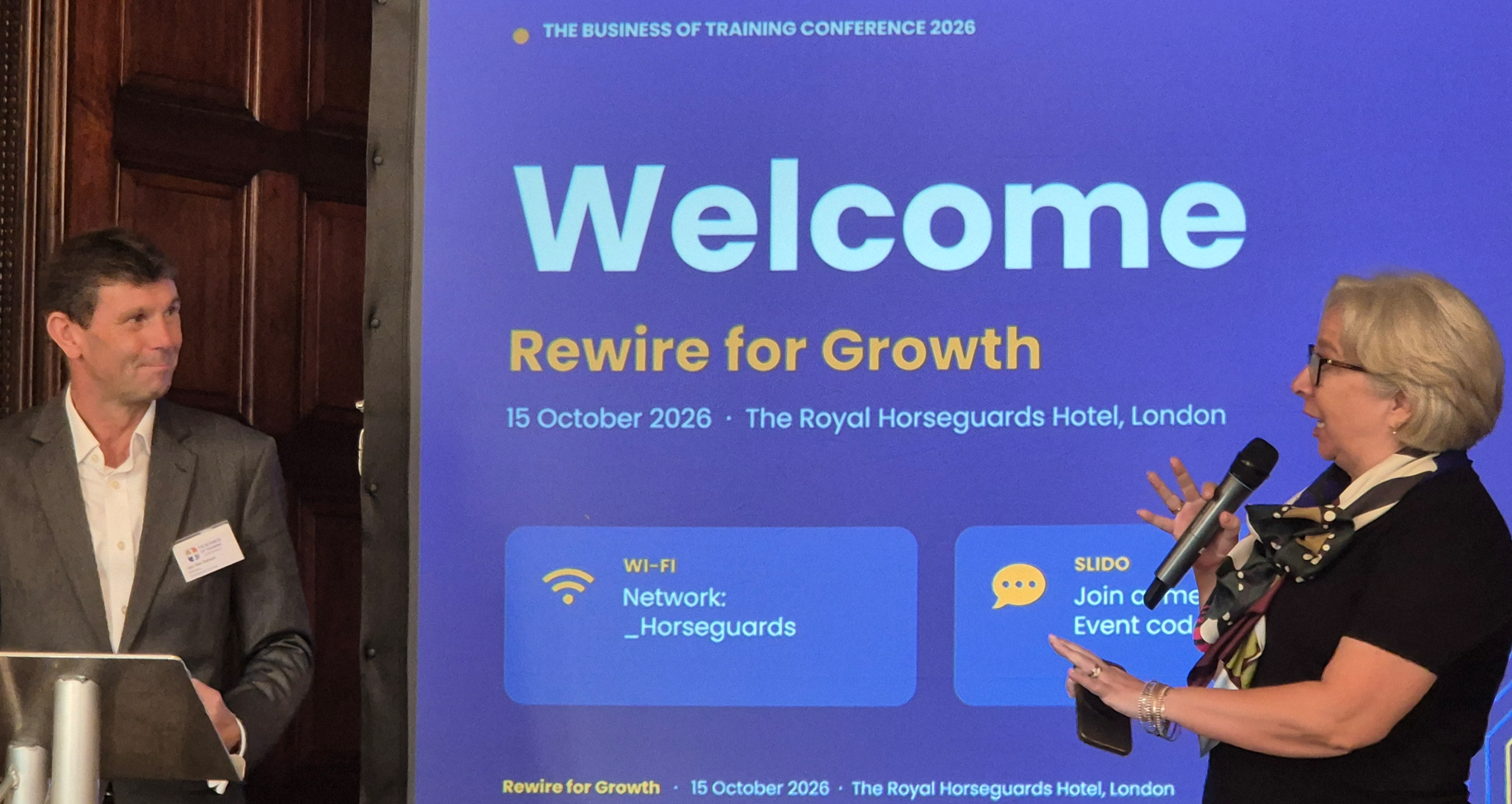
The business of training: What gives training providers the right to exist?
AI, changing customer expectations and increasing pressure to demonstrate value are challenging traditional training business models. Reflecting on the Business of Training Conference 2026, Jo Cook explores the importance of understanding customer needs, designing learning for workplace performance and identifying what makes training providers genuinely distinctive in a competitive market. What gives your training business the right to exist? It’s a provocative question, but it’s one that stayed with me after attending the Business of Training Conference in London on…

TJ interviews: Mark Agnew on the four questions that turn uncertainty into a shared challenge
Resilience is easier to sustain when people find meaning in the challenge itself. Mark Agnew talks about reframing setbacks, strengthening camaraderie, developing mental fitness gradually, all based on adventuring experience. This helps teams focus on shared purpose, intrinsic motivation and practical choices when uncertainty threatens performance at work under pressure. Plans can become useless within hours in the Arctic. During Mark Agnew’s human-powered kayak expedition through the Northwest Passage, headwinds, shifting sea ice and the threat of failure forced his…

Stop briefing managers and start developing them
Ben Satchwell argues that “manager activation” fails when treated as a communications task. Talking points distribute messages but don’t build the skill to handle sceptical, unscripted conversations. Adoption is decided in real capability-building discussions. Equip managers through working sessions so that they understand the why and can adapt and feedback. When a capability framework reaches the rollout stage, managers get a pack. Talking points, an FAQ, a slide or two to use in their next team meeting, perhaps a short…

Please send adults: Is immature leadership holding organisations back?
Pressure can make even accomplished leaders default to certainty, speed and control, shutting down the perspectives they most need. Karlee Fain reasons that mature leadership depends on awareness, curiosity and the capacity to tolerate discomfort, creating the conditions for wiser decisions, stronger trust and more sustainable organisational performance over time. We were already running behind when a fork went flying across the tour bus and shattered a television. Which, in case you’re wondering, is not typically how leadership decisions are…

Before it becomes training: What searches reveal about the language L&D should use
A new quarterly column explores what training demand can reveal about the challenges organisations are trying to solve. In this first instalment, Dr Peter Evans examines how search behaviour can help L&D translate business problems into stronger proposals, better evidence and more persuasive conversations with the people who own outcomes. When TJ asked L&D professionals what stops them turning evidence into action, the most common answer was access to the people who own outcomes, ahead of both tools and time.…

The L&D playbook for building psychological safety into teams
Teams do not become safe to fail through slogans or good intentions alone. Dr Melisa Buie explains why leaders must model openness first, before teams can build stronger norms around challenge, experimentation and reflection. Melisa offers a practical two-stage approach L&D professionals can use to strengthen psychological safety at work. A senior engineer stays quiet in a design review, even though she spots a flaw, because the last person who flagged a problem was labelled “not a team player.” A…

Final days to nominate for the Ethnic Minorities into Leadership Awards 2026
Nominations are closing soon for awards celebrating people who are helping ethnic minority talent progress into leadership across the civil service and wider public sector. With 10 categories recognising mentors, managers, networks and emerging leaders, the awards shine a light on work that is vital but largely unseen and uncelebrated. Nominations close on Friday 16 October for the awards recognising those opening up routes to leadership for ethnic minority talent across the civil service and wider public sector. Run by TJ’s…
Want smart, useful L&D insight in your inbox (without the fluff)?
Subscribe to our weekly newsletter for Editor-only commentary, and exclusive insight that isn’t published anywhere else online.
If you want a quick roundup of what matters, fresh ideas you can use, and the best new reads from Training Journal, this is where it lands
It’s free, only takes a minute, and you can unsubscribe any time.
