
Culture

What influence looks like for L&D in 2026


A new TJ video brings together expert contributor reflections on adaptability, business alignment and intentional boldness in L&D. Drawing on themes from the TJ Influence Report 2026, the discussion explores why learning leaders need to focus less on delivery detail and more on organisational priorities, capability and measurable business impact. Summary These conversations, inspired by the TJ L&D Influence Report 2026, brings together reflections from contributors on what L&D needs now: constant adaptability, stronger business alignment, and a more intentional…

Boundaries, not burnout: Building a culture of leadership kindness that lasts
In this candid piece, Maureen O’Callaghan shows why kindness at work starts with self-kindness. From silencing the inner critic that shouldn’t be your coach, to setting boundaries and building support, she argues sustainable leadership means staying present and protecting capacity. Kindness is not a performative tool, it is what endures. I used to stand at networking event doors, turn around three times, and leave. The voice in my head would say, ‘You’re boring. Nobody will be interested. Look how clever…
The TJ L&D Influence Report 2026
After months exploring why L&D’s best evidence and intentions still stall, Editor Jo Cook shares a new report shaped by Training Journal’s 60th Anniversary Conference. It introduces the Readiness Enablers Index and highlights practical conditions like stakeholder access, data, experimentation and support. Download it free and join the 2026 survey. What helps L&D move from good ideas and strong intentions to meaningful action? That question sits at the heart of this new report. At the centre of the report is…

Compliance, sales, leadership: Where AI makes learning sense
AI is no longer a future-facing experiment for top L&D teams. In this article, RK Prasad explores how smart use of AI can shorten development cycles, tailor learning to different roles, and give employees rapid, in-work support. Done well, it strengthens human judgement, improves reporting, and helps organisations keep pace. Markets shift faster than training calendars. New regulations emerge mid-year. Products evolve quarterly. Skills become outdated almost as soon as they are learned. Yet many L&D teams are still expected…
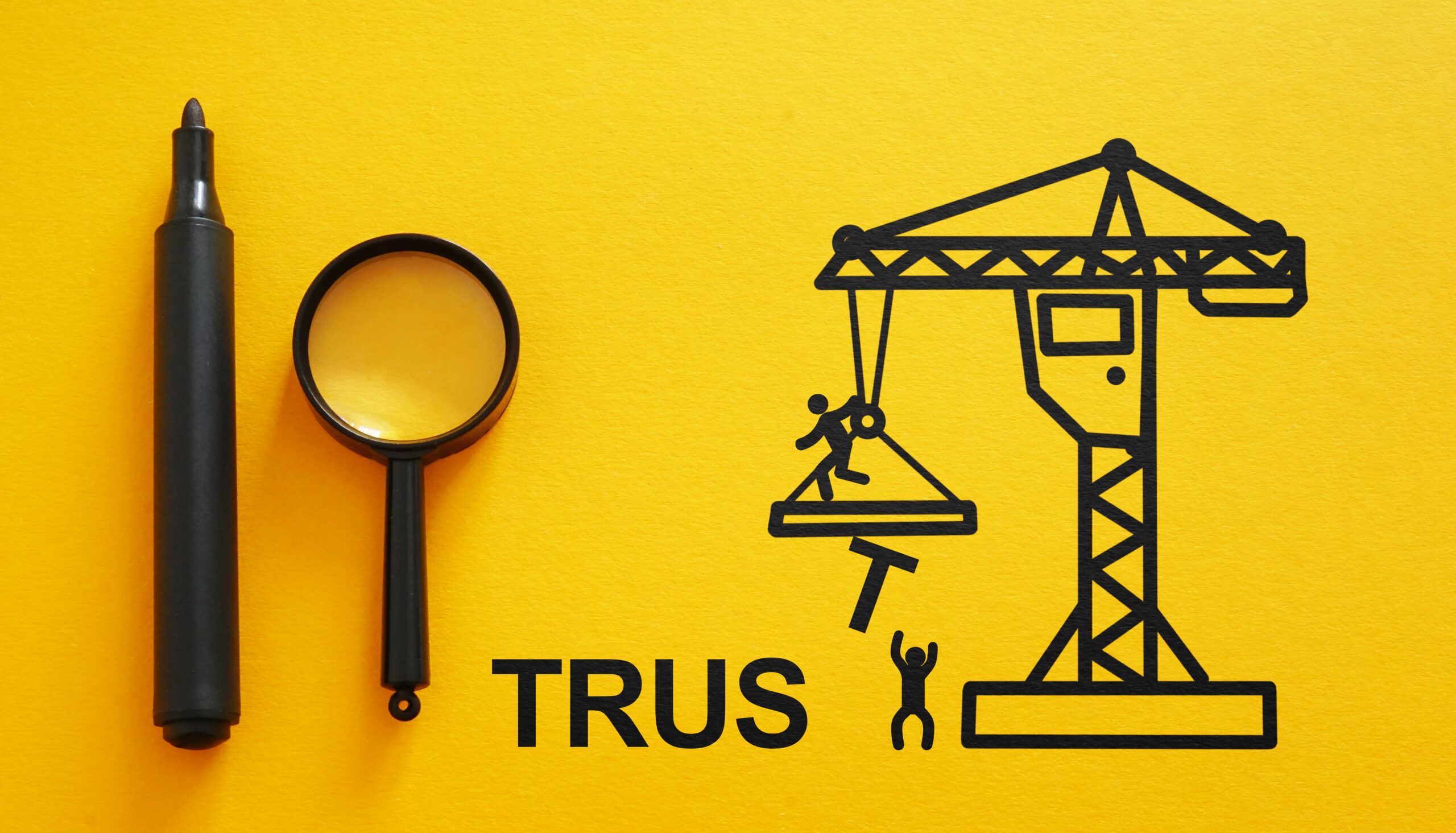
The trust gap between L&D and the business
When change feels stuck, the barrier is often low trust, not poor intent. Nathan Kracklauer shows how business acumen, understood as the logic behind strategy, helps managers align across functions. Position it in business language, resist the skills-only trap, and target confidence, courage and empathy that leaders can act on. At a recent training industry conference, I heard something along these lines from several learning leaders: ‘Our organisation needs to change. We’re not flexible enough; too siloed; too hierarchical.’ I’m sure…

The efficiency paradox: Why AI is speeding up work but slowing down leadership
Andrew Bryant argues that AI-driven efficiency is outpacing leadership capability, creating an “efficiency paradox” where organisations perform better on paper but grow strategically weaker. He explores Klarna’s AI lesson, the shift from performance management to potential development, and why L&D must build leaders who unleash human judgement, creativity, and meaning. Organisations are getting faster. But they are not getting better at leading people. That is the uncomfortable truth at the centre of the AI revolution. As companies race to automate,…

How can culture gaps in the workplace be turned into strengths?
Anna Flynn explains why commercial and technical teams often pull in different directions, and how growing tech businesses can build shared purpose without flattening diversity. She explores culture, structured communication and meaningful recognition, showing how better alignment reduces friction, improves retention and strengthens delivery, efficiency and employer brand over time. “Variety is the spice of life” may be a cliché, but it rings true in the modern workplace. Organisations are powered by individuals with varied personalities, experiences, and areas of…

The five habits of world-class learners
Most people mistake activity for learning, yet those who do it well, treat it as daily discipline. Charlie Curson shares five habits that accelerate growth: curiosity, embracing productive discomfort, reflecting before reacting, learning from diverse voices, and acting fast to turn experimentation into insight and sharper strategic judgement over time. Most of us stopped learning the moment we left school – or so we think. We attend courses, read the odd book and sit through training sessions. But real learning,…

Workslop and the illusion of progress in the age of AI
Rushing AI into workflows can produce polished ‘workslop’ that masks shallow thinking, wastes time and erodes trust. Jenna Tiffany sets out a human-centred antidote: start with purpose, define boundaries, train people and tools, make human review non-negotiable, and reward outcomes over output so organisations keep judgment, culture and quality intact. In today’s workplace, many organisations are effectively handing their keys to a stranger by deploying artificial intelligence (AI) tools without a clear strategy. In doing so, they may believe they’re…

Does reaching the top of the corporate ladder really bring happiness in 2026?
Rochelle Trow argues that today’s senior roles sit at the centre of global turbulence, where pressure rarely eases and success no longer guarantees fulfilment. Drawing on research from WEF, Gallup and Deloitte, she explores cognitive load, organisational strain and why leadership development must build inner steadiness, not just outward skills. For decades, the message was simple: work hard, climb high, and life will feel better when you get there. Influence, control, reward. Success was expected to bring happiness. But in…
Want smart, useful L&D insight in your inbox (without the fluff)?
Subscribe to our weekly newsletter for Editor-only commentary, and exclusive insight that isn’t published anywhere else online.
If you want a quick roundup of what matters, fresh ideas you can use, and the best new reads from Training Journal, this is where it lands
It’s free, only takes a minute, and you can unsubscribe any time.
